
Some links in this article are affiliate links. We may earn a small commission at no extra cost to you. Grant amounts, eligibility rules, and closing dates can change at any time. Always double-check the latest details with the relevant government body, local council, or energy supplier before paying for any work.

UK home energy grants 2026 could save some households thousands of pounds, yet many people either do not know these schemes exist or assume they will not qualify.
That is a mistake.
Right now there are grants covering everything from insulation and heating upgrades to heat pumps and smart heating controls. Some support arrives automatically. Other schemes require an application, and some local funds disappear quickly once the budget runs out.
A lot of households miss out simply because nobody ever clearly explains what is actually available, which schemes are still open, and where to start.
Below, we break down the main UK schemes still running in 2026, including ECO4, the Warm Homes Plan, boiler upgrade grants, energy bill support, smart thermostat rebates, and regional support across England, Scotland, Wales and Northern Ireland.
Important note: Information in this guide was checked against official sources including gov.uk, Citizens Advice, MoneySavingExpert, and Home Energy Scotland as of May 2026. Energy grants and eligibility rules can change quickly, so always double-check details directly with the relevant scheme provider before applying or booking any work.
⚠️ Read this before you do anything else: Scammers are actively impersonating energy companies and government departments right now. You might get a text, email, or phone call about a heating allowance, a free boiler, or a grant you never applied for. They want your bank details and personal information.
Do not give them anything.
If you apply for any scheme mentioned in this guide, use the official gov.uk website, your local council website, or the official supplier contact details only. Genuine schemes do not randomly cold call people asking for bank information.
🟦 START HERE — Looking for something specific? Jump to ECO4 | Warm Homes Local Grant | Boiler Upgrade Scheme | Warm Home Discount | Winter Fuel Payment | Cold Weather Payment | Scotland | Wales | Northern Ireland | Energy Bill Hardship Funds | Smart Thermostats | Best UK Smart Thermostats
What Is a Home Energy Grant?
A home energy grant is financial support from the government or an energy company to help make your home cheaper to heat, or to help with energy bills if you are struggling.
Unlike a loan, the money does not need to be paid back. Support can come as free installation work, a direct payment, or a discount added to your energy bill.
The reason these schemes exist is simple: the UK is under pressure to reduce energy use and cut carbon emissions. Better-insulated homes and more efficient heating systems help achieve that, so the government and energy suppliers help cover some of the cost.
💡 Did you know? The UK government has committed almost £15 billion to the Warm Homes Plan, with a target of upgrading up to 5 million homes by 2030. Yet many eligible households still never apply for any support at all.
UK home energy grants 2026 – Quick Answer
➡ ECO4 provides free insulation and heating upgrades for households on qualifying benefits or lower incomes through local council schemes. It ends on 31 December 2026 with no confirmed replacement.
➡ Warm Homes Local Grant provides up to £15,000 for insulation and up to £15,000 for heating upgrades for English households with income of £36,000 or less, delivered through local councils.
➡ Boiler Upgrade Scheme offers £7,500 toward a heat pump for homeowners in England or Wales regardless of income, running until 2030.
➡ Warm Home Discount for 2025 to 2026 has now closed. The scheme usually reopens each October, so check gov.uk later in 2026 for the next cycle.
➡ Winter Fuel Payment was reinstated for pensioners and paid during winter 2025. The government is expected to continue the payment for winter 2026 to 2027, but always check gov.uk for the latest updates and eligibility rules.
➡ Scotland offers grants of up to £7,500 for heat pumps plus up to £7,500 for insulation, with a £1,500 rural uplift taking total potential grant support to £18,000 for some remote households.
➡ Wales Nest scheme provides free home energy improvements to qualifying homeowners and renters. Northern Ireland’s Affordable Warmth Scheme is open to households with annual income below £23,000.
➡ Smart thermostats are often included as part of larger heating or insulation upgrades, and some energy suppliers also offer separate thermostat rebates.
The Landscape Has Changed in 2026: What You Need to Know First
If you have looked into energy grants before, be careful. Several of the schemes people still talk about online have now changed, merged, or closed completely.
The biggest shift came with the launch of the Warm Homes Plan in 2026. Instead of relying mainly on ECO4 and the Great British Insulation Scheme, the government moved toward a wider mix of support including the Warm Homes Local Grant, the expanded Boiler Upgrade Scheme, social housing funding, and future low-interest loans for solar panels and batteries planned for 2027.
The Great British Insulation Scheme officially closed on 31 March 2026 and is no longer taking new applications. ECO4 is also approaching the end of its life and currently closes on 31 December 2026.
That matters because many households are still assuming these schemes will be around indefinitely. They will not.
If you already had a GBIS application approved before the March deadline, your work should still go ahead. If you are waiting for updates, contact your energy supplier directly.
The older Home Upgrade Grant has also now been phased out and replaced by the Warm Homes Local Grant for eligible households in England.
At the moment, the government has committed replacement funding from 2027 onward, but the exact structure of future schemes is still unclear. If you think you qualify for support under ECO4 or other existing programmes, it is probably better to apply sooner rather than waiting to see what happens next.
ECO4: Free Upgrades for Eligible Households
What It Is
The Energy Company Obligation (ECO4) requires large energy suppliers to fund energy efficiency improvements in eligible households, providing free insulation and heating upgrades to lower-income households and people living in hard-to-heat homes.
The cost to qualifying households is zero. The energy companies fund it. Not you.
What ECO4 Can Cover
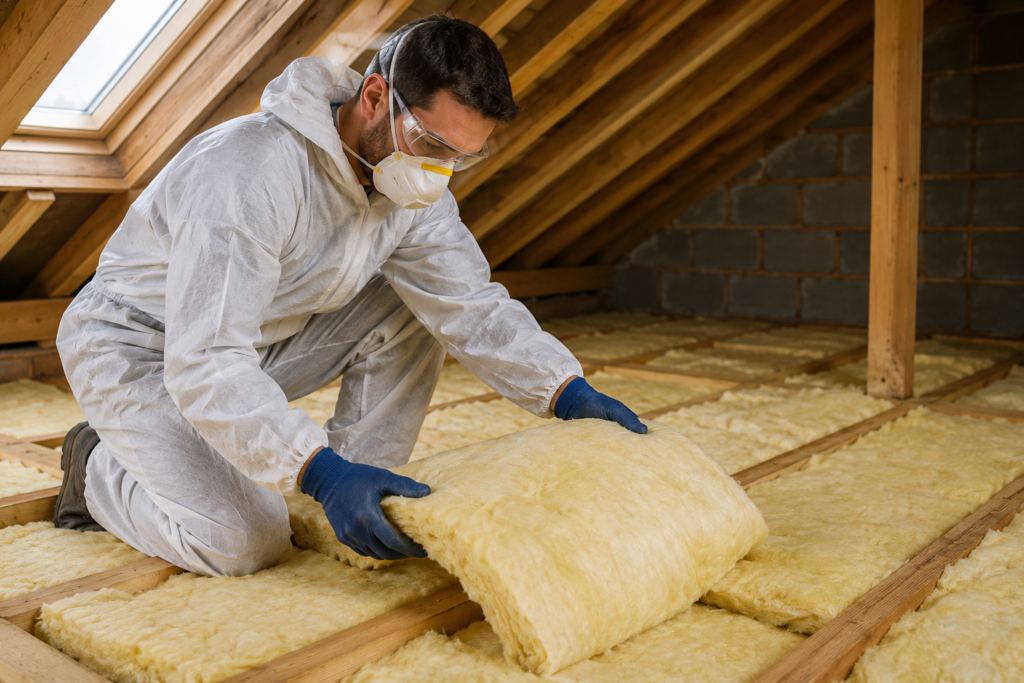
ECO4 can cover improvements such as cavity wall insulation, loft insulation, solid wall insulation, boiler replacements, heat pumps, solar panels, heating controls, and draught-proofing.
Smart thermostats and heating controls can be included as part of a wider ECO4 package. They are not usually funded as standalone items, but heating controls are often included when larger upgrade work is being done.
Who Qualifies for ECO4
You might be eligible if you claim certain benefits and live in private housing, or if you live in social housing.
Qualifying benefits can include Universal Credit, Pension Guarantee Credit, Pension Savings Credit, Income Support, income-based Jobseeker’s Allowance, income-related Employment and Support Allowance, Child Benefit, and Housing Benefit.
If you own your home, it usually needs an EPC rating of D, E, F, or G to qualify. If you rent privately, the property generally needs an EPC rating of E, F, or G, and you will need your landlord’s permission for any work.
There is also a Local Authority Flexibility route, often called LA Flex, which allows councils to set their own eligibility rules based on household income and local circumstances. In many areas, households earning roughly £31,000 to £38,000 may still qualify even if they are not receiving benefits.
Some councils also consider health conditions that are made worse by living in a cold home.
Both homeowners and private tenants can apply. Private tenants will need landlord consent. Social housing tenants should contact their housing provider directly about ECO4-funded improvements for their property or building.
How to Apply for ECO4
Do not look for a government application form. There is not one.
Instead, contact your local council or speak directly with an energy supplier participating in the scheme. You can also find participating suppliers through the Ofgem website.
If you appear eligible, an ECO4-registered installer will usually arrange a home assessment and explain which improvements could be covered at no cost to you.
⚠️ Warning: ECO4 has attracted cold callers and social media ads promising free boilers or insulation upgrades. Always check that the installer is genuinely working with a named energy supplier under the ECO4 scheme. If they cannot clearly explain who is funding the work, end the conversation.
Warm Homes Local Grant: The Main Replacement for Low-Income Households in England
What It Is
The Warm Homes Local Grant is now one of the main government-backed schemes helping lower-income households in England improve the energy efficiency of their homes. Support can include insulation, air source heat pumps, solar panels, and smart heating controls.
What It Pays For
If you qualify and your local council still has funding available, the process usually starts with a home survey.
Based on the results, the scheme may cover improvements such as loft insulation, wall insulation, underfloor insulation, heat pumps, solar panels, and heating controls. The council arranges the approved work directly, so qualifying households normally do not pay anything themselves.
Funding can cover up to £15,000 for insulation work and up to £15,000 for heating upgrades.
Who Qualifies
The scheme is aimed at households in England living in homes with EPC ratings of D, E, F, or G.
In most cases, household income needs to be around £36,000 a year or below. Some councils may also approve households outside that threshold depending on postcode areas, local funding rules, or benefits received by someone in the home.
Both homeowners and private tenants may qualify, although tenants will usually need landlord permission before any work can go ahead.
How to Apply
Applications start through the official Warm Homes Local Grant service.
After applying, your local council should contact you within around 10 working days to gather more information and arrange a survey if you appear eligible.
If you need help with the online application process, the assisted digital helpline can be reached on 0800 098 7950 Monday to Friday from 8am to 6pm, and Saturdays from 9am to 12pm.
💡 Worth knowing: If you rent your home, your landlord may need to contribute toward part of the upgrade costs under the Warm Homes Local Grant. It is worth having that conversation early so there are no surprises later in the process.
💡 Coming in April 2027: The government is expected to introduce a new Consumer Loan Scheme offering zero percent interest loans for solar panels and battery storage. If you are thinking about solar but do not currently qualify for a grant, this could become one of the more affordable ways to spread the cost.
Warm Homes Social Housing Fund
If you live in social housing, you do not apply for this scheme yourself. Access to the funding is managed by your housing association or local authority landlord.
The Warm Homes Social Housing Fund helps councils and housing associations improve the energy efficiency of older properties through upgrades such as insulation, heating improvements, and other retrofit work.
The government has committed billions of pounds toward the scheme through to 2028, and many councils and housing providers across England have already secured funding for large-scale upgrade projects.
If you live in social housing, contact your housing provider directly and ask whether your property is included in any planned energy efficiency or heating upgrade programme.
Do not assume. Ask.
Boiler Upgrade Scheme: Open to Homeowners in England and Wales
Unlike most of the schemes in this guide, the Boiler Upgrade Scheme does not have an income limit.
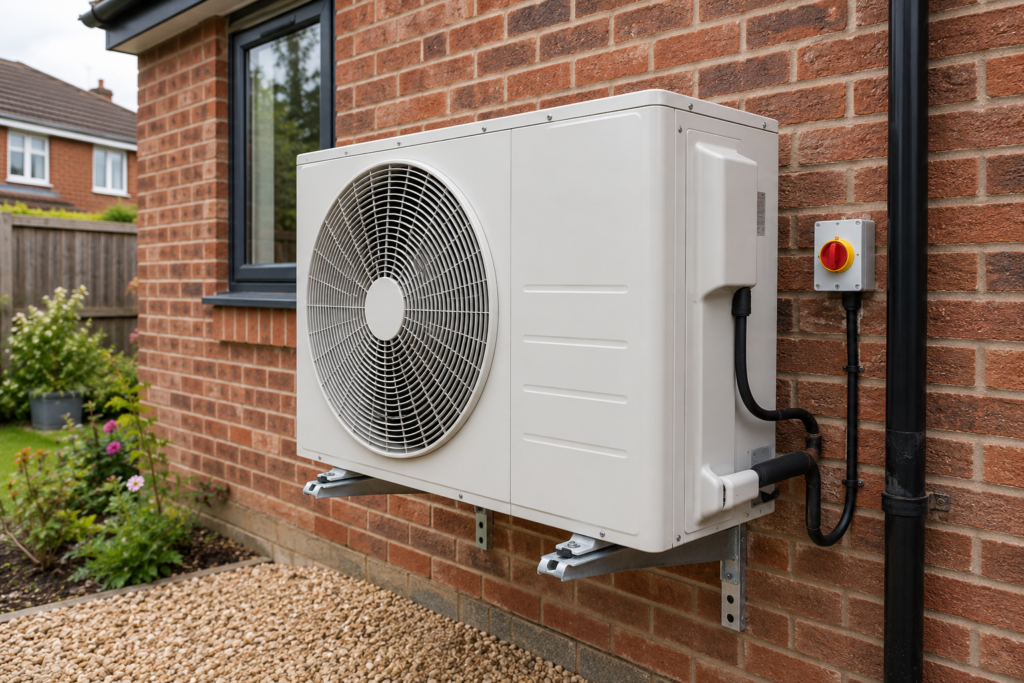
If you own your home and want to replace an older fossil fuel heating system with a heat pump, you may be able to apply regardless of how much you earn.
What It Pays
| Heating System | Grant Available |
|---|---|
| Air source heat pump (air-to-water) | £7,500 |
| Ground source heat pump | £7,500 |
| Biomass boiler (mainly rural and off-grid homes) | £5,000 |
| Air-to-air heat pump (from April 2026) | £2,500 |
| Heat batteries (from April 2026) | £2,500 |
The scheme is currently expected to continue until 2030.
Extra Savings Worth Knowing About
There are also a few other ways homeowners can reduce the overall cost of a heat pump installation.
Qualifying heat pump installations currently benefit from 0% VAT, which can reduce costs by roughly £1,600 to £2,800 depending on the system and property.
Some mortgage providers, including Halifax and Lloyds, have also offered cashback incentives for energy efficiency upgrades in certain cases. These offers change regularly, so check directly with your lender before relying on them.
For many homeowners, the combined savings can make a noticeable difference to the final installation cost.
Who Qualifies
To qualify, you generally need to own the property and be replacing an existing fossil fuel heating system such as gas, oil, electric heating, or LPG.
You can still apply if you have previously received insulation funding for the property.
One important change introduced in 2026 is that the Boiler Upgrade Scheme no longer requires homeowners to complete outstanding EPC insulation recommendations before applying.
Insulating first is still usually a smart idea because better-insulated homes tend to run heat pumps more efficiently and at lower cost, but it is no longer a formal requirement for the grant.
Most new-build homes, social housing properties, and homes that have already received government funding for a heat pump or biomass boiler are not eligible.
How to Apply
You do not apply directly through the government yourself.
Instead, you choose an MCS-certified installer, agree the work, and the installer submits the application through Ofgem on your behalf. The grant amount is then deducted from the installation cost before you pay.
Ofgem may occasionally contact homeowners to confirm installation details or carry out verification checks after the work is completed.
You can find certified installers through mcscertified.com.
💡 Pro tip: Get at least three quotes from different MCS-certified installers before agreeing to anything. The grant value stays the same whichever company you choose, but installation prices can vary massively. In some cases, homeowners end up paying several thousand pounds more for almost identical work.
Warm Home Discount: What You Need to Know for 2026
⚠️ Important update: The Warm Home Discount scheme for winter 2025 to 2026 closed on 31 March 2026.
If you were eligible, the £150 discount should already have been applied to your electricity bill or issued as a prepayment voucher.
If you believe you qualified but never received the payment, contact your electricity supplier directly.The scheme is expected to reopen later in 2026 for the next winter period, although eligibility rules and payment dates can change from year to year. It is worth checking gov.uk again closer to autumn 2026 for the latest updates.
How the Scheme Usually Works
When the Warm Home Discount scheme is active, eligible households receive a one-off £150 discount applied directly to their electricity bill.
In many cases, the payment is added automatically without needing a separate application.
If you use a prepayment meter, the support is usually issued as a voucher or top-up instead of a bill credit.
Households in Scotland may sometimes need to contact their electricity supplier directly rather than waiting for the payment automatically.
Who Can Usually Get It
The scheme is mainly aimed at households receiving certain benefits, including Pension Credit, Universal Credit, Housing Benefit, income-based Jobseeker’s Allowance, income-related Employment and Support Allowance, and Income Support.
In most cases, your name or your partner’s name also needs to appear on the electricity bill, and your supplier must participate in the scheme.
Eligibility was expanded for winter 2025 to 2026 after the government removed the previous “hard to heat” requirement, bringing millions of additional households into the scheme.
💡 Worth knowing: When the scheme reopens later in 2026, you can contact the Warm Home Discount helpline on 0800 030 9322 if you are unsure whether the payment will be applied automatically or if you need to apply through your supplier.
Winter Fuel Payment: What Happened and What to Expect
Winter 2025 to 2026
The Winter Fuel Payment was brought back for all UK pensioners during winter 2025 to 2026 after previously being limited to households receiving Pension Credit.
Payments of up to £305 were made automatically during November and December 2025.
Higher earners were still able to receive the payment, although households with income above £35,000 had the amount recovered later through the tax system.
If you believe you qualified but never received a payment, contact the DWP directly or check the latest guidance on gov.uk/winter-fuel-payment.
Looking Ahead to Winter 2026 to 2027
At the time of writing, the government is expected to continue the scheme for winter 2026 to 2027.
Payment amounts, eligibility rules, and income thresholds can still change, so it is worth checking the latest information on gov.uk again closer to autumn 2026.
⚠️ Scam alert: If you receive a text, letter, email, or phone call asking you to apply for the Winter Fuel Payment outside the official gov.uk or DWP process, treat it as suspicious.
Do not give out bank details or personal information.
If you think you have been targeted by a scam, report it to Action Fraud on 0300 123 2040.
Cold Weather Payment: What It Is and Who Can Get It
The Cold Weather Payment scheme runs each year between 1 November and 31 March.
If the average temperature in your area falls to 0°C or below for seven consecutive days during that period, eligible households receive an automatic £25 payment. In most cases, the money arrives within around two weeks and there is no separate application process.
The winter 2025 to 2026 payment period has now finished. The next Cold Weather Payment season is expected to begin again on 1 November 2026.
You may qualify if you receive Pension Credit, Universal Credit, income-based Jobseeker’s Allowance, income-related Employment and Support Allowance, Income Support, or Support for Mortgage Interest.
Scotland
Scotland no longer uses the Cold Weather Payment system.
Instead, eligible households receive a Winter Heating Payment worth £59.75 per year. The payment is not linked to temperature drops and is paid automatically during winter, usually between December and January.
Scotland: The Most Generous Energy Grant Support in the UK
Scotland runs its own home energy schemes separately from the rest of the UK, and in many cases the support available is far more generous than what homeowners can access in England or Wales.
Home Energy Scotland Grant and Loan Scheme
This is one of the main schemes for Scottish homeowners looking to improve insulation or switch to cleaner heating systems such as heat pumps.

Unlike many schemes elsewhere in the UK, there is no standard means test for the main grant element, meaning many homeowners can qualify regardless of income.
For heat pumps and other clean heating systems, grants of up to £7,500 are available, with the option of an additional £7,500 interest-free loan to help cover remaining costs.
For insulation and other energy efficiency work, grants can cover up to 75% of the total cost up to a maximum of £7,500, again with optional interest-free loan support available on top.
Rural and island households may also qualify for an extra £1,500 uplift on both heating and insulation support.
What That Could Look Like in Practice
| Funding Type | Potential Support |
|---|---|
| Heat pump grant | £7,500 |
| Rural uplift on heat pump grant | £1,500 |
| Interest-free loan for additional costs | Up to £7,500 |
| Insulation grant | Up to £7,500 |
| Rural uplift on insulation grant | £1,500 |
| 0% VAT saving on installation | Approximately £1,600 to £2,800 |
Potential combined support: Up to around £27,300 in some cases.
Individual figures depend on eligibility and not every household will qualify for every part of the scheme.
Contact Information
Home Energy Scotland: 0808 808 2282 (free call, Monday to Friday)
💡 Worth knowing: Home Energy Scotland is a free advice service funded by the Scottish Government and managed by Energy Saving Trust. They are not trying to sell you a boiler, heat pump, or installation package.
A short phone call can usually help you understand which grants or loans you may qualify for, what the schemes actually cover, and where to start with the application process.
Warmer Homes Scotland
For lower-income households in Scotland, the Warmer Homes Scotland scheme can provide additional support beyond the standard grant and loan programmes.
The scheme offers free home energy improvements worth up to £10,000 for eligible homeowners and private tenants living in properties with poor energy efficiency ratings.
To qualify, households usually need to include someone receiving certain benefits, or someone over the age of 75 living without a working heating system. Applicants normally need to have lived in the property for at least six months.
Depending on the property and eligibility, support may include insulation, heating upgrades, or replacement heating systems.
Contact Information
Home Energy Scotland: 0808 808 2282
Crisis Grants in Scotland
Households facing an immediate heating or financial emergency may also be able to apply for a Crisis Grant through the Scottish Welfare Fund.
These grants are designed for urgent situations and can sometimes help cover emergency heating costs or other essential household expenses.
Applications are handled through local councils, so contact your council directly to check eligibility and availability.
Wales: Nest Warm Homes Scheme
What It Is
The Welsh Government’s Nest scheme helps eligible households improve the energy efficiency of their homes through fully funded upgrade work.
This is not just advice or a recommendation service. If approved, the scheme can arrange and pay for physical improvements to the property.
What It Covers
Depending on the property and eligibility, support may include loft insulation, wall insulation, heat pumps, solar panels, replacement boilers, or electric storage heaters where existing heating systems are no longer working properly.
Who Qualifies
To qualify, you usually need to own or privately rent a home in Wales with an EPC rating of D or below.
Applicants are generally expected to be on a lower income, receive certain means-tested benefits, and live with a qualifying health condition such as a respiratory, circulatory, or mental health issue affected by cold housing conditions.
Homeowners in Wales may also still be able to access the Boiler Upgrade Scheme for heat pump support and ECO4 funding while those schemes remain open.
Contact Information
Nest Warm Homes Scheme: 0808 808 2244
(Free call, Monday to Friday, 9am to 6pm)
Welsh language calls and emails are also supported.
Discretionary Assistance Fund in Wales
Wales also operates a Discretionary Assistance Fund designed to help households facing financial emergencies.
The Emergency Assistance Payment can help cover immediate essentials such as electricity, gas, food, or emergency travel costs.
The Individual Assistance Payment may help with essential household items including beds, white goods, and basic furniture.
Applications and eligibility details are available through the Welsh Government website at gov.wales.
Northern Ireland: Affordable Warmth Scheme
The Affordable Warmth Scheme helps lower-income households in Northern Ireland improve the energy efficiency of their homes through funded insulation and heating upgrades.
The scheme is open to homeowners and some private tenants with annual household income below £23,000.
To qualify, you normally need to:
- live in Northern Ireland
- live in the property as your main home
- own the property or rent privately
- have household income below the scheme threshold
The scheme is not available to Housing Executive or housing association tenants.
What Support Can Include
Depending on the property and technical assessment, support may include:
- loft insulation and ventilation improvements
- cavity wall insulation
- draught-proofing
- replacement heating systems
- boiler upgrades
- high-efficiency electric storage heating
- replacement single-glazed windows
- solid wall insulation for some detached homes
The scheme follows a “whole house” approach, meaning insulation and energy efficiency improvements are usually prioritised before larger heating upgrades.
How Much Funding Is Available
Most eligible households can receive up to £7,500 in grant support.
Homes requiring solid wall insulation may qualify for up to £10,000 because of the higher installation costs involved.
In many cases, households will not need to contribute toward the approved work, although additional costs may apply if contractor quotes exceed the grant amount.
How the Process Works
Applications begin through the NI Energy Advice Service.
If you appear eligible, you will receive an application form and be asked to provide supporting documents confirming income, occupancy, and ownership or tenancy details.
Once approved, a technical officer visits the property to assess which improvements are suitable. This inspection may include checking loft spaces, heating systems, cavity walls, and insulation levels.
If the work is approved, you will receive written confirmation explaining which measures qualify for funding and how much grant support is available.
Do not begin any work before receiving formal written approval, as work started early will not be covered by the scheme.
Private Tenants
Private tenants may still qualify, but landlords must:
- agree to the work being carried out
- be registered with the Landlord Registration Scheme
- contribute 50% toward the cost of the approved improvements
Contact Information
NI Energy Advice Service: 0800 111 4455
Email: NIenergyadvice@nihe.gov.uk
Northern Ireland does not currently have access to the Boiler Upgrade Scheme or the Warm Homes Local Grant, as those schemes apply to England and Wales only.
Discretionary Support in Northern Ireland
Households facing a serious financial emergency may also be able to apply for Discretionary Support through their local Social Security Office.
Depending on circumstances, support can include grants or interest-free loans for situations affecting health, safety, or basic wellbeing.
At the time of writing, households with income below £28,571 after deductions may qualify depending on their circumstances and financial situation.
Hardship Funds From Your Energy Supplier
This is the one most people do not know exists.
If you are in debt to your energy supplier, or struggling to pay your bills, most major energy companies have hardship funds that pay grants to clear or reduce that debt. You do not always have to be a current customer to apply.
The following suppliers currently offer hardship funds:
- British Gas Energy Support Fund
- EDF Energy Customer Support Fund
- E.ON Next Energy Fund
- Octopus Octo Assist Fund
- OVO Customer Support Package
- Scottish Power Hardship Fund
- Utilita Helping Hand Fund
- Utility Warehouse Prepayment Relief Fund
If your own energy supplier cannot help, the British Gas Energy Trust also accepts applications from households using other suppliers.
💡 Worth knowing: Before spending hours filling out separate applications, it is worth trying Lightning Reach. The platform helps match people with grants, benefits, and local support schemes they may qualify for, including energy bill support and council hardship funds.
Emergency Support From Your Local Council
From April 2026, the Crisis and Resilience Fund replaced the previous Household Support Fund in England.
Local councils can use this funding to help households facing immediate financial pressure, including support for energy bills, heating fuel, utilities, food, and other essential costs.
Support levels and eligibility rules vary depending on the council, and some areas process emergency applications quite quickly where funding is available.
If you are struggling with heating or energy costs, contact your local council directly to ask what support is currently open in your area.
Can You Combine Multiple Energy Grants?
In many cases, yes.
A lot of UK households assume they can only apply for one scheme, but different grants can often be combined depending on the type of work being carried out.
As a general rule, support from different programmes can sometimes be used together if they cover different improvements. What you usually cannot do is claim multiple grants for the exact same installation or measure.
Here are a few examples of how support can potentially stack together in practice.
Example: Lower-Income Household in England
| Scheme | What It Covers | Potential Value |
|---|---|---|
| ECO4 or Warm Homes Local Grant | Insulation upgrades | Up to £15,000 |
| Warm Homes Local Grant | Heating upgrades or heat pump | Up to £15,000 |
| Warm Home Discount | Electricity bill support | £150 |
| Winter Fuel Payment (for eligible pensioners) | Winter energy support | Up to £305 |
| Energy supplier hardship fund | Energy debt support | Varies |
| Smart thermostat rebate | Heating controls | Around £50 to £100 |
Potential combined support: In some cases, well over £30,000.
Example: Rural Homeowner in Scotland
| Scheme | What It Covers | Potential Value |
|---|---|---|
| Home Energy Scotland Grant | Heat pump | £7,500 |
| Rural uplift | Additional rural support | £1,500 |
| Interest-free loan | Additional installation costs | Up to £7,500 |
| Home Energy Scotland insulation grant | Insulation work | Up to £7,500 |
| Additional rural uplift | Extra insulation support | £1,500 |
| 0% VAT relief | Reduced installation cost | Approximately £1,600 to £2,800 |
Potential combined support: Up to around £27,300 in some circumstances.
Example: Homeowner in England or Wales
| Scheme | What It Covers | Potential Value |
|---|---|---|
| Boiler Upgrade Scheme | Heat pump installation | £7,500 |
| 0% VAT relief | Lower installation costs | Approximately £1,600 to £2,800 |
| Mortgage cashback offers | Additional support from some lenders | Up to £2,000 |
| Smart thermostat rebate | Heating controls | Around £50 to £100 |
Potential combined support: Up to around £12,400 depending on eligibility.
⚠️ Important: Always declare any grants or funding you have already received when applying for additional support. Failing to disclose previous funding could affect your eligibility or invalidate an application.
How to Check Your EPC Rating
Most home energy grant schemes ask for your EPC rating, so it is worth checking before applying for anything.
You can find your current certificate by visiting gov.uk website and entering your postcode.
Your EPC will show:
- your current energy rating from A to G
- estimated running costs
- recommended improvements that could make the property more efficient
If your property has never had an EPC, or the existing certificate is more than 10 years old, you may need a new assessment before certain grant-funded work can go ahead.
A new EPC assessment typically costs somewhere between £60 and £120 depending on the property and assessor.
💡 Worth knowing:Your EPC is more useful than most people realise. Alongside the rating itself, it usually includes a list of recommended improvements ranked by impact and cost effectiveness.
That can give you a rough idea which upgrades may save the most money first and which grant schemes are most relevant to your home.
Where Smart Thermostats Fit Into All of This
Here is the part many people overlook.
Insulation, heat pumps, boiler upgrades, and lower energy bills all depend on how well your heating is actually being controlled.
A lot of homes still use outdated timers or thermostats that heat the house the same way every single day regardless of weather, occupancy, or how efficiently the home now retains heat.
That matters more than most people realise.
For example, once insulation is installed, homes usually stay warmer for longer. If the heating schedule never changes, the boiler can continue running longer than necessary. Better heating controls help reduce that waste.
The same applies to heat pumps.
Heat pumps work differently from traditional gas boilers. They run more efficiently at lower temperatures over longer periods, which means older on-off controls are often not ideal. Modern smart controls can help systems run more steadily and efficiently.
This is one reason smart thermostats and heating controls now appear alongside many government-backed upgrade schemes.
Under schemes such as ECO4 or the Warm Homes Local Grant, heating controls are sometimes included as part of larger insulation or heating improvement packages.
Even outside grant schemes, many UK energy suppliers now offer rebates or discounts for qualifying smart thermostat upgrades.
Why Modern Heating Controls Matter
Modern heating controls can help:
- reduce wasted heating
- improve comfort levels
- lower heating bills
- manage temperatures room by room
- control heating remotely
- improve heat pump efficiency
Some systems can also learn household routines and automatically adjust heating schedules over time.
Before Buying a Smart Thermostat
Not every thermostat works well with every heating system.
Some are designed mainly for gas boilers, while others are better suited to heat pumps or multi-zone heating setups. Compatibility matters more than branding.
Before buying anything, it is worth checking compatibility carefully and getting quotes or advice from at least three installers if larger heating upgrades are involved.
If you use gas heating, installers should normally be Gas Safe registered. Oil heating installers should usually be OFTEC registered.
In many homes, smart thermostats can reduce unnecessary heating and help lower running costs over time, especially when paired with insulation or a newer heating system.
Some UK energy suppliers also offer separate rebates or discounts for qualifying smart thermostat upgrades.
Related guides:
The Four Best Smart Thermostats for UK Homes in 2026
If you are upgrading your heating system, improving insulation, or simply trying to reduce energy bills sooner rather than later, a good smart thermostat can make a noticeable difference.
These are four of the strongest options currently available for UK homes based on compatibility, features, ease of use, and overall value.
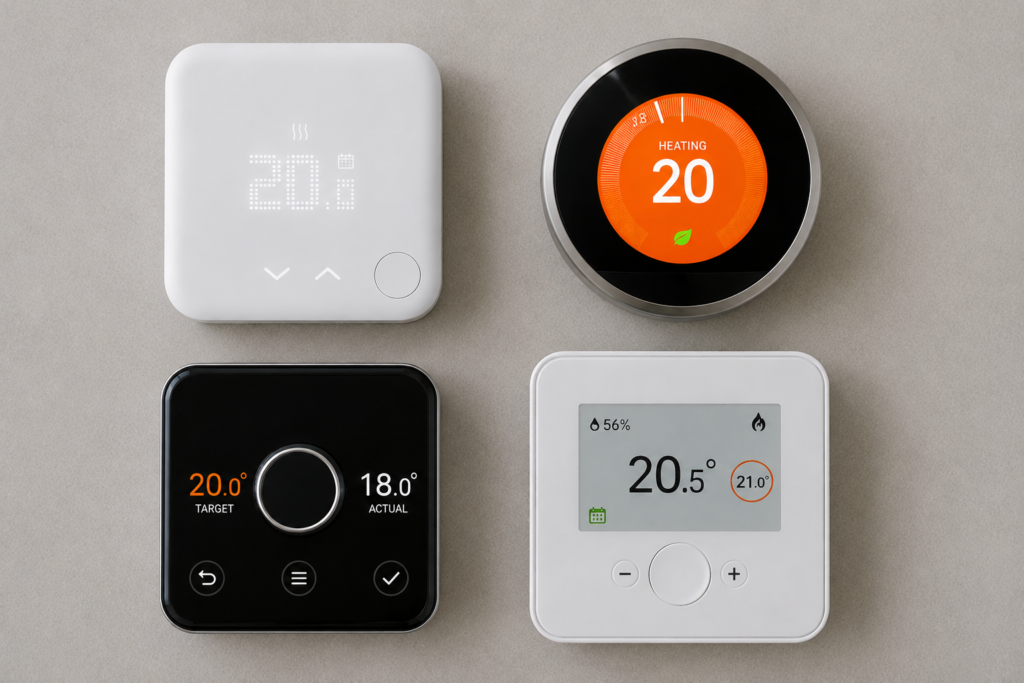
The list below focuses on thermostats that work well with common UK heating systems and are realistically suitable for everyday households rather than expensive smart home setups.
1. Tado Smart Thermostat V3+
Best for: Heat pump installations and maximum efficiency
The Tado V3+ uses OpenTherm modulation to deliver 10 to 22% energy savings, supports Apple HomeKit, and installs in around 30 minutes. It works with more UK boiler types than any other smart thermostat currently on the market.
OpenTherm modulation matters most if you are installing a heat pump under the Boiler Upgrade Scheme. Instead of switching the system on and off, Tado tells the heat pump to run at a reduced intensity for longer. That is exactly how heat pumps achieve their efficiency ratings in real conditions rather than just in manufacturer tests.
Tado has the best UK-specific energy saving features of any smart thermostat currently available, including multi-room zoning and open-window detection. The Auto-Assist subscription costs £24.99 per year and unlocks fully automatic geofencing. Without it, geofencing works but requires manual confirmation each time.
Best paired with: Any heat pump installation under the Boiler Upgrade Scheme.
Check the latest price on Amazon
2. Google Nest Learning Thermostat (4th Generation)
Best for: Homes where nobody wants to think about the heating
The Google Nest Learning Thermostat uses machine learning to observe household routines and automatically adjusts schedules, reducing average heating bills by approximately 13.5% over a full year based on its own internal data.
Nest tracks how quickly your home heats up, builds its own schedule, and drops the temperature when you leave. It connects with Google Home, Alexa, and most smart home setups with no subscription needed for the core functions.
Best paired with: Post-insulation upgrades. Once your walls and loft are insulated, the Nest detects that the house is holding heat longer and adjusts accordingly. That compounding effect is where the real bill reduction shows up over a full heating season.
Check the latest price on Amazon
3. Hive Active Heating Thermostat
Best for: British Gas customers and anyone who wants it sorted by a professional
The Hive Active Heating thermostat is one of the most straightforward upgrades available for UK combi and system boilers. It connects with Alexa, Google Assistant, and Apple HomeKit, and Hive has the widest UK engineer support network of any smart thermostat brand.
If you are a British Gas customer, Hive installation support is more accessible than any other smart thermostat on this list. It is not the most feature-rich option. But it works, it is well-supported, and for a landlord or a first-time smart home buyer, that matters more than app aesthetics.
Best paired with: Any new boiler or central heating system installation where professional support matters.
Check the latest price on Amazon
4. Drayton Wiser Smart Heating Kit
Best for: Larger homes, room by room control, and no ongoing costs
The Drayton Wiser is the best-value smart heating system in the UK. It starts at around £110 for a single-zone kit and scales up with smart radiator valves from around £25 per valve, giving you genuine room-by-room temperature control without a subscription fee.
Every feature is included in the hardware purchase with no subscription required. In larger homes where different rooms have genuinely different heating requirements, the potential energy saving when used well can reach 30%.
The app is functional but less polished than Tado or Nest. If you will notice that, factor it in. If you care more about controlling your heating room by room without paying monthly fees, nothing else at this price comes close.
Best paired with: Solid wall insulation upgrades in three and four-bedroom homes where different rooms have different usage patterns.
Check the latest price on Amazon
💡 Pro tip: Not sure which thermostat is compatible with your boiler? Our guide to Best Smart Thermostats for Home 2026 covers compatibility in detail. Need something cheaper? Best Smart Thermostat Under £100has options that still deliver meaningful savings.
Where to Start
If you are on Universal Credit, Pension Credit, or another qualifying benefit in England
Speak to your energy supplier or an ECO4-approved installer as soon as possible. ECO4 is due to close on 31 December 2026 and there is still no confirmed long-term replacement.
If your household income is around £36,000 or below in England
Check whether your local council is participating in the Warm Homes Local Grant scheme. These schemes mainly focus on homes with EPC ratings of D or below.
If you own your home in England or Wales and want to replace your boiler
Look into the Boiler Upgrade Scheme. The grant is not income-based, and installers apply for the funding on your behalf.
If you live in Scotland
Contact Home Energy Scotland on 0808 808 2282. They can explain which grants, loans, or rural uplift support may apply to your property.
If you live in Wales
Contact the Nest scheme on 0808 808 2244 for a free eligibility check and advice on what support may currently be available.
If you live in Northern Ireland with household income below £23,000
Contact the NI Energy Advice Service on 0800 111 4455 to ask about the Affordable Warmth Scheme.
If you are a pensioner
Check whether you received the Winter Fuel Payment for winter 2025 to 2026. If you believe you qualified but did not receive anything, contact the DWP directly or check the latest guidance on gov.uk.
If you are waiting for the Warm Home Discount
The previous payment cycle closed on 31 March 2026. The next round is expected to reopen later in 2026, usually around autumn.
If you are struggling with energy bills right now
Contact your energy supplier and ask specifically about hardship funds or emergency support schemes. If your supplier cannot help, the British Gas Energy Trust also accepts applications from households using other suppliers.
If none of the major schemes apply to you
The easiest place to start is usually your heating controls.
Even without grant funding, improving how your heating runs day to day can still reduce unnecessary energy use, especially in older homes using basic timers or manual thermostats.
Key Takeaways
- ECO4 is due to close on 31 December 2026, with no confirmed replacement announced yet.
- The Warm Homes Local Grant is now one of the main schemes for lower-income households in England.
- The Boiler Upgrade Scheme remains open to homeowners in England and Wales regardless of income.
- Scotland currently offers some of the most generous home energy support in the UK, especially for rural households.
- Smart thermostats and modern heating controls can still help reduce heating waste even without grant funding.
Frequently Asked Questions
Do I have to pay UK energy grants back?
No. Grants do not normally need to be repaid as long as you meet the eligibility rules and use the funding for approved work.
Can private tenants apply for energy grants?
Yes, some schemes include private tenants, although landlord permission is usually required before any work can go ahead.
Does my home need a specific EPC rating?
Many schemes focus on homes with EPC ratings of D or below, although rules vary depending on the programme.
Are smart thermostats funded under ECO4?
Heating controls and smart thermostats can sometimes be included as part of a wider ECO4 upgrade package, although they are not usually funded as standalone items.
Is the Boiler Upgrade Scheme available in Scotland?
No. Scotland runs separate schemes through Home Energy Scotland. The Boiler Upgrade Scheme applies to England and Wales.
What happens after ECO4 ends?
At the time of writing, no direct replacement has been fully confirmed. Other schemes such as the Warm Homes Local Grant are expected to continue beyond 2026.
How do I find a legitimate installer?
For heat pumps and Boiler Upgrade Scheme work, use MCS-certified installers. For gas heating systems, installers should normally be Gas Safe registered.
Be cautious of cold callers or social media adverts promising “free boilers” without explaining who is funding the work.
When does the Warm Home Discount reopen?
The scheme usually reopens later in the year ahead of winter payments. Check the latest guidance on gov.uk closer to autumn 2026.
Sources
- UK Government, Warm Homes Plan 2026
- UK Government, ECO4 Scheme
- UK Government, Boiler Upgrade Scheme
- UK Government, Warm Homes Local Grant
- UK Government, Warm Homes Social Housing Fund Wave 3
- UK Government, Help to Heat Schemes
- UK Government, Warm Home Discount Scheme
- UK Government, Winter Fuel Payment
- UK Government, Cold Weather Payment
- UK Government, EPC Register
- Citizens Advice, Grants and Benefits for Energy Bills
- Money Saving Expert, Energy Grants Guide updated April 2026
- Home Energy Scotland, Funding Finder
- Scottish Government, Energy Saving Home Improvements
- Welsh Government, Nest Scheme
- Northern Ireland Direct, Energy Saving Grants
- MCS Certified Installers
- Ofgem, ECO Supplier Contact Details
- Energy Saving Trust, Thermostats and Heating Controls
- WarmHomeUK, UK Energy Grants 2026
- Energy Saving Genie, Warm Homes Plan 2026
- E.ON, Energy Efficiency Grants and Funding
- British Gas Energy Trust
- Lightning Reach, Grant Finder
- Action Fraud
Reviewed by The Thermo Expert Team
The Thermo Expert Team researches and compares smart thermostats, heating systems, and common HVAC issues to provide clear, practical advice for homeowners. Our goal is to help you understand problems quickly and choose the right solution with confidence. Learn more about us →