
Ecobee3 Lite vs. Google Nest: The Battle for the Budget Smart Home
Upgrading your old, beige dial thermostat to a smart device is one of the easiest ways to modernize your home and lower your utility bills. But for years, the entry price was steep—usually over $250. That changed with the introduction of “budget” models from the industry titans: the ecobee3 Lite and the Google Nest Thermostat (2020).
Both devices sit comfortably in the sub-$150 range (often dipping near $100 on sale). Both promise to handle your heating and cooling schedules via an app. But they take radically different approaches to getting the job done. One prioritizes broad smart home compatibility and remote sensors, while the other leans on Google’s minimalist design and ecosystem.
In this comprehensive comparison, we pit the ecobee3 Lite Smart Thermostat against the basic Google Nest Thermostat to see which one truly deserves a spot on your wall.
At a Glance: The Specs
Before we dive into the details, here is the raw data. Note that we are comparing the entry-level “Nest Thermostat” (the one with the mirrored face), not the more expensive “Nest Learning Thermostat.”
| Feature | ecobee3 Lite | Google Nest Thermostat (2020) |
|---|---|---|
| Display | Full Color Touchscreen | Mirrored LED behind glass |
| Control Interface | Touchscreen | Side Touch Strip |
| Remote Sensors | Supported (Sold Separately) | Supported (Nest Sensor) |
| C-Wire Required | Yes (PEK included in box) | No (But often needed) |
| Apple HomeKit | Native Support | Via Matter (Limited) |
| Learning Features | Adaptive Scheduling | Basic Scheduling |
If you want a deeper dive into the broader brand rivalry, check our full Nest vs Ecobee thermostat guide.
Round 1: Design & User Interface
The aesthetic difference here is night and day.
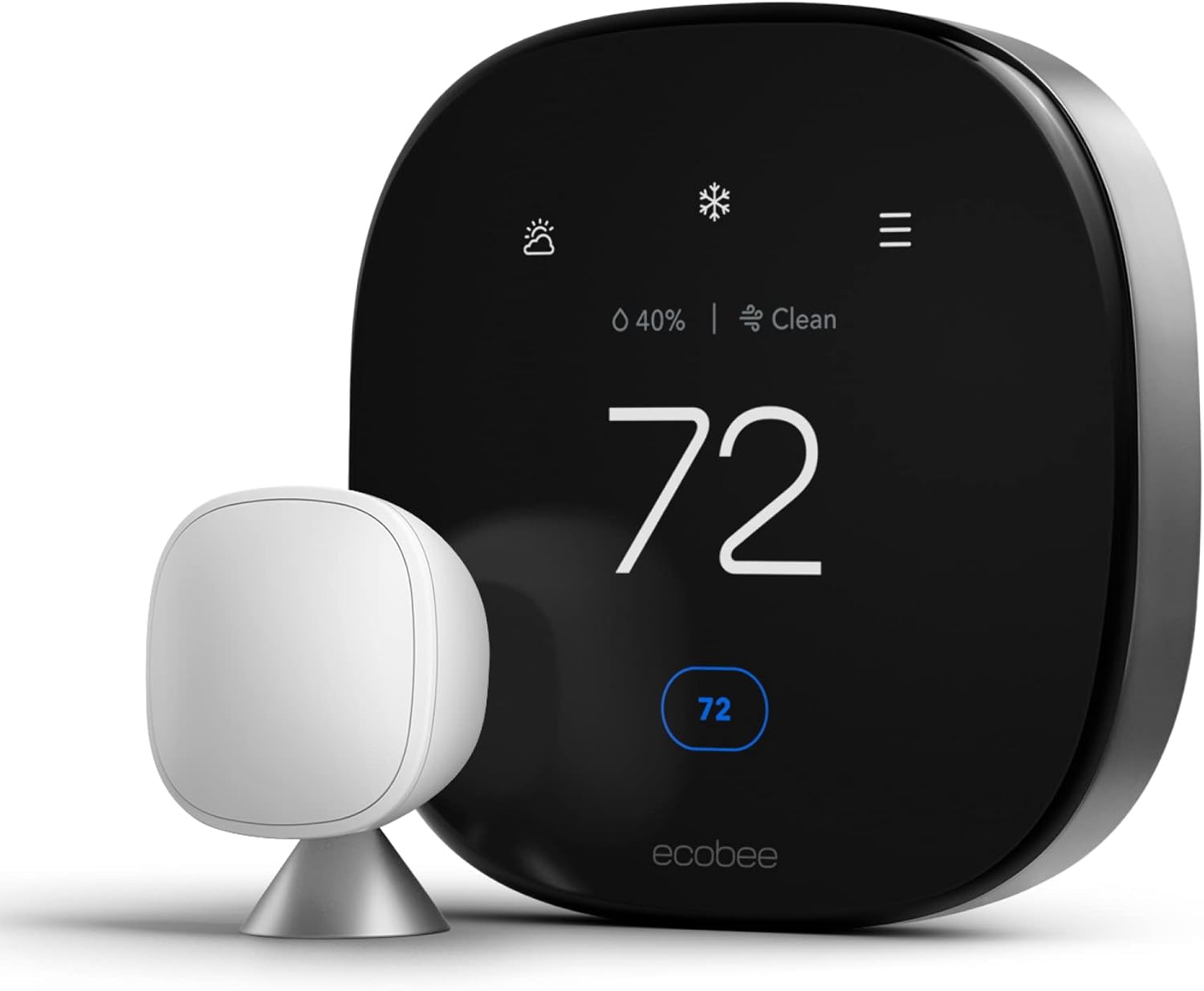
ecobee3 Lite: The Mini Tablet
The ecobee3 Lite keeps the brand’s signature “squircle” shape. It features a 3.5-inch full-color LCD touchscreen. It functions exactly like a smartphone. You tap icons, slide temperature bars, and read the weather forecast clearly. The interface is intuitive, meaning guests and family members won’t need thermostat instructions for homeowners to adjust the heat.
Google Nest: The Magic Mirror
The Google Nest Thermostat abandons the rotating mechanical ring of its expensive older brother (the Learning Thermostat). Instead, it uses a touch-sensitive strip on the right side of the device. You swipe your finger up and down the side to change the temperature.
The face is a mirrored glass finish with LEDs behind it. When idle, it looks like a mirror. When you approach, the numbers glow through the glass. It is undeniably stylish and blends into decor better than the “techy” Ecobee, but the side-swipe interface can be finicky compared to a simple touchscreen.

Round 2: Installation & The “C-Wire” Controversy
This is the most critical technical difference between the two units. If you ignore this, you might end up with a thermostat that keeps rebooting.
Ecobee’s Solution: The Power Extender Kit
Smart thermostats need constant power for Wi-Fi. This usually comes from a “Common” wire (C-wire). Many older homes lack this wire. Ecobee acknowledges this reality by including a **Power Extender Kit (PEK)** in the box.
The PEK is a small adapter you install at your furnace. It repurposes your existing wires to provide power. It guarantees compatibility with 4-wire systems. We have a detailed walkthrough on how to switch out an hz311 thermostat for an ecobee thermostat that shows just how effective this kit is.
Nest’s Solution: Power Stealing
Google markets the Nest Thermostat as “No C-Wire Required.” It attempts to “steal” or “harvest” power from your HVAC control wires when the system is running.
The Problem: While this works for some, many users experience thermostat low battery symptoms because the Nest isn’t getting enough juice. This can cause your furnace to short-cycle (turn on and off rapidly) or the thermostat to disconnect from Wi-Fi. If you buy the Nest and have these issues, you will have to buy a separate C-wire adapter (sold separately), which negates the price savings.
Round 3: Sensors & Multi-Room Comfort
Do you have a bedroom that is always freezing in the winter? This is where remote sensors come in.
Ecobee SmartSensors
The ecobee3 Lite is fully compatible with Ecobee’s SmartSensors (sold separately). These are fantastic. They detect both temperature and occupancy. If you put one in your bedroom, you can tell the thermostat to ignore the hallway temperature at night and only care about the bedroom.
This solves the issue of a thermostat not reaching set temperature in the rooms that actually matter.
Nest Temperature Sensor
The 2020 Nest Thermostat is compatible with the “Nest Temperature Sensor” (the white puck). However, the functionality is more limited. You have to manually schedule when the thermostat should use the sensor (e.g., “Use bedroom sensor from 10 PM to 6 AM”). Unlike Ecobee, it doesn’t have “Follow Me” mode where it automatically detects which room you are in and adjusts the temp accordingly.
Winner: ecobee3 Lite. The “Follow Me” occupancy detection is a game-changer for comfort.Round 4: Ecosystem & Voice Control
Neither of these “Lite” models has a built-in microphone (unlike the Ecobee Smart Thermostat Premium), so they rely on external smart speakers.
Apple Users
If you live in an Apple household, the choice is clear. The ecobee3 Lite supports Apple HomeKit natively. You can ask Siri to change the temperature, and it appears in the Apple Home app instantly. Google Nest is slowly adding Matter support to bridge this gap, but native integration is always smoother.
Alexa and Google Users
Both thermostats work flawlessly with Alexa and Google Assistant. However, if you are deep in the Google ecosystem (Google Home speakers, Nest Hubs), the Nest Thermostat integrates slightly better, offering energy dashboard views directly on your smart displays.
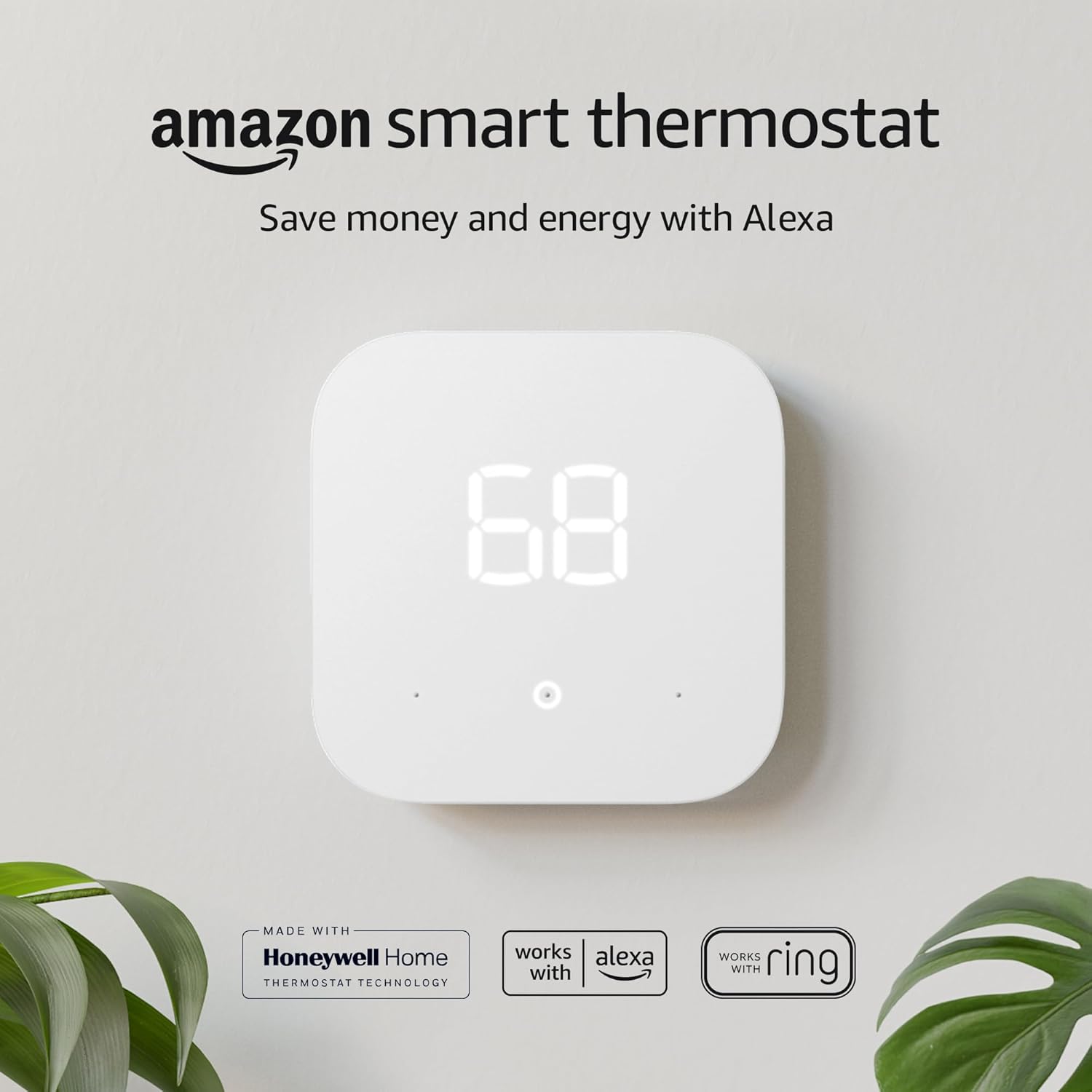
It is also worth noting comparisons like Google Nest vs Amazon Smart Thermostat often highlight that Nest locks you into the Google ecosystem, whereas Ecobee remains neutral.
Round 5: Energy Savings & Geofencing
Ultimately, you are buying this to save cash. Do smart thermostats really save money? Yes, if configured correctly.
Geofencing
Both devices support geofencing—using your phone’s location to detect when you leave the house and turning down the HVAC.
- Ecobee: Uses the app on your phone. It is generally reliable but requires the app to run in the background.
- Nest: Uses Google’s massive location data infrastructure (Home/Away Assist). It is often more accurate because it can combine data from other Google Nest devices (like Protect smoke detectors or cameras) to verify if you are home.
For a deep dive on how this works, read what is geofencing thermostat technology.
Eco+ vs. Nest Leaf
Ecobee’s “Eco+” software is aggressive about saving money, especially if you have Time-of-Use rates from your utility company. It can pre-cool your home when electricity is cheap. Google’s “Nest Leaf” gamifies savings, encouraging you to choose eco-friendly temps.
If your primary goal is finding what is the best smart thermostat for energy savings, Ecobee’s data-rich approach slightly edges out Nest’s simplicity.
Pros & Cons: Head-to-Head
ecobee3 Lite
Pros
- Includes C-Wire adapter (PEK) in box.
- Native Apple HomeKit Support.
- Better remote sensor functionality (“Follow Me”).
- Full-color touchscreen interface.
- Platform agnostic (works with everything).
Cons
- Design feels “techy” compared to Nest.
- Plastic build quality.
- No built-in voice assistant (unlike Premium).
Google Nest Thermostat
Pros
- Beautiful mirrored glass design.
- Excellent geofencing via Google Home app.
- Seamless integration with Google ecosystem.
- Simple, minimalist interface.
- Often cheaper on sale.
Cons
- No C-Wire adapter included (huge drawback).
- Touch strip controls can be finicky.
- Limited sensor capabilities.
- “Power Stealing” can cause HVAC issues.
Common Troubleshooting
Before you buy, be aware of common setup hurdles.
If you install the Google Nest and your thermostat says heat on but no heat, it is often because the device incorrectly detected your wiring during the software setup. You may need to go into the Google Home app and re-configure the O/B wire settings if you have a heat pump.
For Ecobee users, if you see the screen go blank, check our guide on why is my thermostat clicking but not turning on—it’s usually a float switch issue in the drain pan, not the thermostat itself.

Frequently Asked Questions
Does ecobee3 Lite work with Nest sensors?
No. Ecobee thermostats only work with Ecobee SmartSensors. Nest thermostats only work with Nest Temperature Sensors. The ecosystems are not interchangeable.
Which thermostat is better for older homes?
The ecobee3 Lite is generally better for older homes because it includes a Power Extender Kit (PEK) to solve the missing C-wire issue, which is common in older wiring setups.
Is the Google Nest Thermostat battery operated?
It uses AAA batteries as a backup, but it is designed to run on 24V power from your HVAC system. It is not a purely battery-operated device like some basic programmable units. See our guide on best battery operated thermostats for alternatives.
Can I install these myself?
Yes, both are designed for DIY installation. However, Ecobee’s inclusion of the wiring kit makes it slightly more involved but much more reliable for the average homeowner.
Final Verdict: Which Budget Thermostat Wins?
The battle between **ecobee3 Lite vs. Google Nest** isn’t just about price; it’s about reliability and compatibility.
Buy the ecobee3 Lite IF:
- You live in an older home (likely no C-wire).
- You use Apple products (HomeKit).
- You have hot/cold spots and want to use SmartSensors to fix them.
- You prefer a standard touchscreen interface.
Buy the Google Nest Thermostat IF:
- You have a C-wire already installed (check your wall!).
- You want the most stylish, unobtrusive device.
- You are heavily invested in the Google Home ecosystem.
- You have a small home or apartment where remote sensors aren’t needed.
Our Pick: The ecobee3 Lite takes the crown. The inclusion of the Power Extender Kit and its superior sensor technology make it the more robust, frustration-free choice for the majority of homeowners.

Upgrade Your Home Today
Get the reliability of Ecobee without the premium price tag.
Still on the fence? Check out our Amazon Smart Thermostat vs Ecobee comparison for another budget-friendly perspective, or find out are wifi thermostats worth it for your specific lifestyle.




 Home
Home
 Info
Info
 Compare
 Reviews
 Shop
Shop