
Best Thermostat for Radiant Floor Heating
Maximize comfort and minimize energy bills with these top-rated smart controls for 2025.
Radiant floor heating is the epitome of luxury home comfort. There is nothing quite like stepping onto warm tiles on a freezing winter morning. However, the efficiency and responsiveness of your heated floors rely entirely on one critical component: the thermostat.
Unlike standard HVAC thermostats (like the basic Nest or Ecobee used for forced air), specific thermostats for radiant floor heating are designed to manage the unique thermal mass of flooring. They utilize dedicated floor sensors to prevent overheating and ensure the surface reaches the exact temperature you desire, not just the air in the room.
In this guide, we’ve tested and analyzed the top models on the market to help you find the perfect control system for your home, whether you have an electric mat system in your bathroom or a whole-home hydronic setup.
Quick Comparison: Top Radiant Floor Thermostats
| Model | Best For | System Type | WiFi/Smart | GFCI Built-in |
|---|---|---|---|---|
| Nuheat Signature | Overall Performance | Electric | Yes | Yes |
| Mysa for In-Floor | Smart Home Users | Electric | Yes | Yes |
| Schluter DITRA-HEAT | Schluter Systems | Electric | Yes | Yes |
| Honeywell T6 Pro | Hydronic Systems | Hydronic | Optional | No |
| SunTouch Command | Touchscreen Interface | Electric | Yes | Yes |
Electric vs. Hydronic: Knowing the Difference
Before buying, you must identify your system type. Using the wrong thermostat can lead to system failure or safety hazards.
1. Electric Radiant Floors
Common in bathrooms and kitchens, these use electric mats or cables under the tile.
Requirement: You need a thermostat capable of handling “Line Voltage” (120V or 240V). Crucially, it must have a built-in GFCI (Ground Fault Circuit Interrupter) for safety in wet areas.
2. Hydronic Radiant Floors
These use hot water pumped through tubes in the subfloor.
Requirement: These systems typically run on “Low Voltage” (24V) controls. You do not usually need a built-in GFCI, but you do need a thermostat compatible with boiler systems and slab sensors to prevent floor damage.
If you are looking to upgrade your home’s general heating efficiency beyond just floors, check out our guide on what is the best smart thermostat for energy savings.
Top Rated Radiant Thermostats Reviewed

Nuheat Signature Wi-Fi Floor Heating Thermostat
The Nuheat Signature is widely regarded as the gold standard for electric floor heating. It features a beautiful 3.5-inch color touchscreen and intuitive programming. It works with Nest, Amazon Alexa, and Google Assistant, making it a seamless addition to a modern smart home.
It supports both 120V and 240V systems and includes a built-in Class A GFCI.
Pros
- Stunning high-res touchscreen
- Energy usage monitoring built-in
- Works with Nest and voice assistants
- Setup wizard makes installation easy
Cons
- Premium price point
- Requires a dedicated neutral wire (standard for these units)
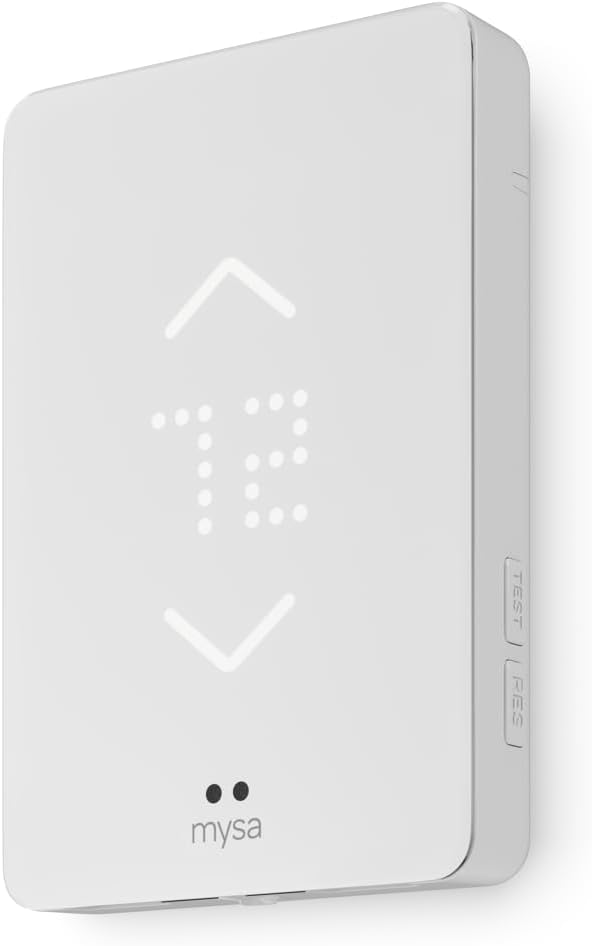
Mysa Smart Thermostat for Electric In-Floor Heating
If you love app-based control, Mysa is the clear winner. It has a sleek, minimalist LED display that disappears when not in use. The Mysa app is superior to most competitors, offering robust scheduling, geofencing, and energy charting.
It is specifically designed for high-voltage electric in-floor heating and is compatible with most existing floor sensors, making it a great upgrade option.
Pros
- Minimalist, modern design
- Excellent mobile app experience
- Apple HomeKit compatible
- Adaptive learning technology
Cons
- No color touchscreen (LED dot matrix)
- Only for electric systems

Schluter DITRA-HEAT-E-WiFi Thermostat
If you are installing the popular Schluter DITRA-HEAT membrane system for your tile floors, sticking with their proprietary thermostat is a smart move. It ensures perfect compatibility and warranty coverage.
The WiFi version allows for remote access and features a “birds-eye” control allowing you to manage multiple zones from a single app login.
Pros
- Designed specifically for DITRA systems
- Reliable WiFi connectivity
- Includes a floor temperature sensor
- Clean, unobtrusive interface
Cons
- App interface is functional but basic
- Slightly bulkier faceplate than Mysa

Honeywell Home T6 Pro Hydronic Thermostat
For water-based (hydronic) systems, you need a different beast. The T6 Pro Hydronic is designed to handle the 24V control loops used by boilers and pumps. It includes terminals for a wired floor sensor (often sold separately or included in specific kits) to manage slab temperature.
It prevents the “overshoot” common in hydronic systems by learning the thermal properties of your specific floor.
Pros
- Excellent handling of boiler systems
- Simple, universally understood interface
- Very reliable and durable
- Supports A (Air), F (Floor), and AF (Combined) modes
Cons
- Not for high-voltage electric mats
- Basic aesthetic compared to touchscreens
Buying Guide: Features That Matter
When shopping for the best thermostat for radiant floor heating, keep these technical specifications in mind to avoid purchasing an incompatible unit.
1. Floor Sensor Capability
Standard thermostats measure air temperature. Radiant thermostats must measure floor temperature. Why? Because tile can get uncomfortably hot before the air in the room warms up. A floor sensor (a probe buried in the thinset) limits the floor temperature to a safe level (usually 82°F – 85°F) while still heating the room.
Tip: Most electric stats come with a sensor, but if you are replacing an old unit, check if your existing sensor is 10k ohm or 12k ohm to ensure compatibility.
2. Built-in GFCI
For electric systems, the National Electrical Code usually requires Ground Fault Circuit Interrupter protection. While you can install a GFCI breaker in your panel, it is much easier to buy a thermostat with a built-in Class A GFCI (5mA trip level). All our electric top picks include this.
3. Smart Integration
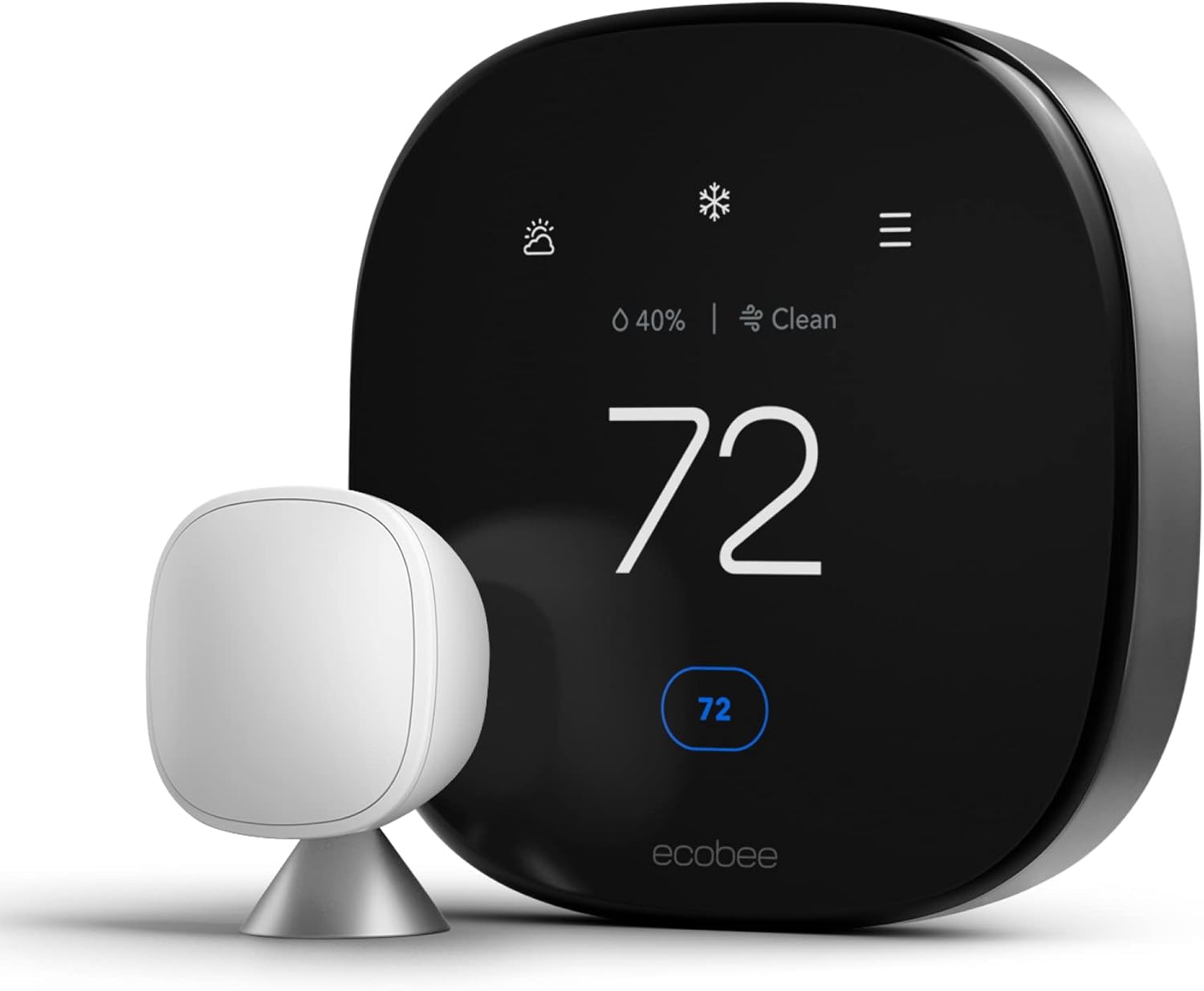
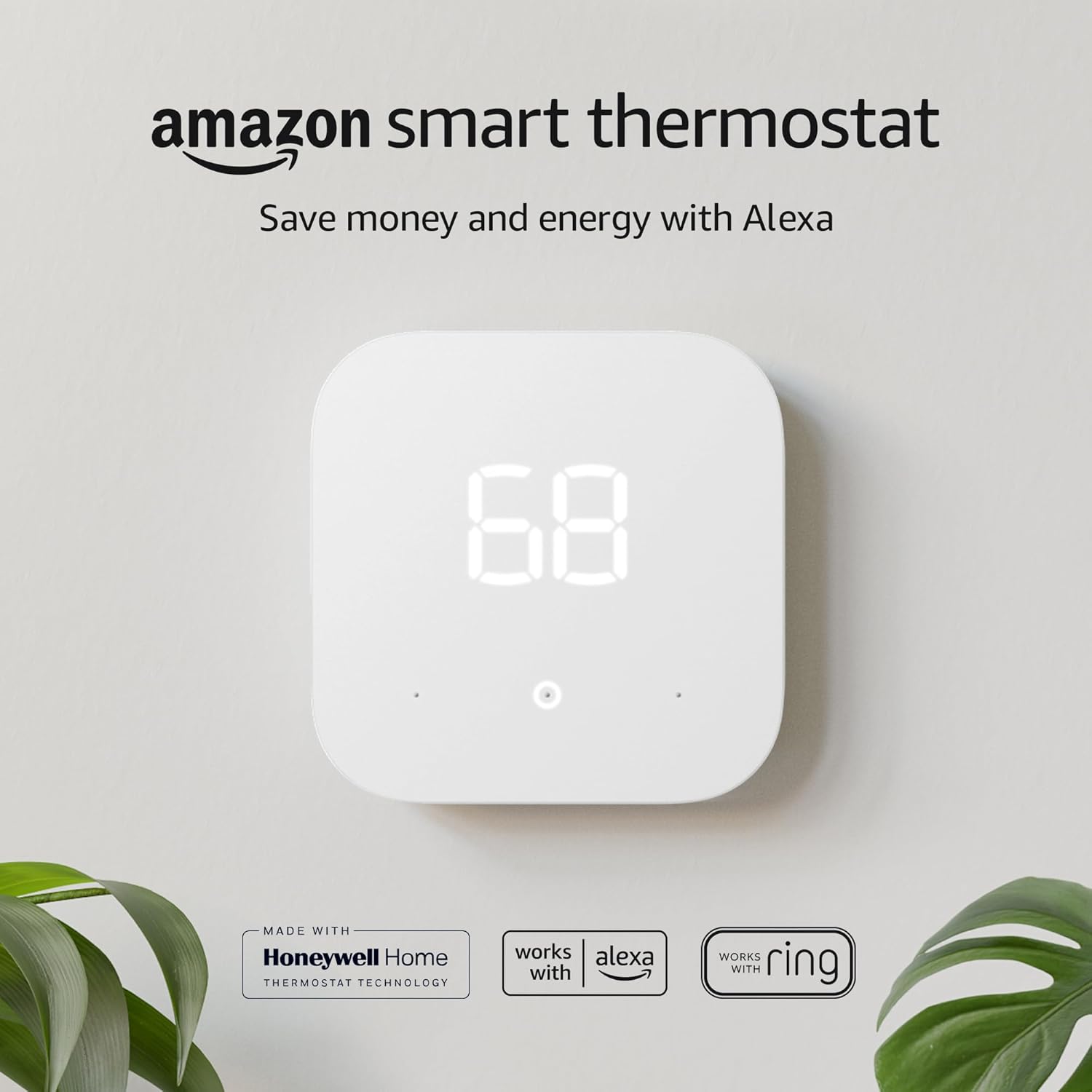
Do you want to warm up the bathroom floor from bed? Look for WiFi models. If you already have a smart home ecosystem, check specifically for integration. For example, if you are deep into the Google ecosystem, see our comparison of Google Nest vs. Amazon Smart Thermostat to understand how different ecosystems play together, though note that for floor heating, specific brands like Nuheat often integrate better than generic smart stats.
4. Load Capacity
Most thermostats can handle up to 15 Amps. If you have a very large heated area (typically over 150 sq. ft. at 120V), you may exceed this amperage. In that case, you will need a power relay module to connect multiple mats to one thermostat.
Installation Tips for Longevity
Installing a radiant floor thermostat is slightly more complex than a standard wall unit.
- Sensor Placement: Never place the floor sensor directly on top of a heating wire. It must be centered exactly between two heating wires to get an accurate average temperature.
- Backup Sensor: It is highly recommended to install a second “dummy” sensor in the floor during installation. If the primary sensor fails years down the road, you can simply swap the wires at the wall unit rather than ripping up your expensive tile.
- Conduit: Run the sensor wires through a separate conduit from the high-voltage power lines to prevent signal interference.
If you are troubleshooting an existing installation, you might find our guide on thermostat not reaching set temperature helpful for diagnosing sensor or placement issues.
Frequently Asked Questions
Final Thoughts
Choosing the best thermostat for radiant floor heating comes down to your system type. For electric mats, the Nuheat Signature offers the best premium experience, while Mysa is the top choice for smart home enthusiasts. For hydronic systems, the reliability of the Honeywell T6 Pro is hard to beat.
Investing in a quality control unit protects your expensive flooring investment and ensures your feet never have to touch cold tile again.





 Home
Home
 Info
Info
 Compare
 Reviews
 Shop
Shop