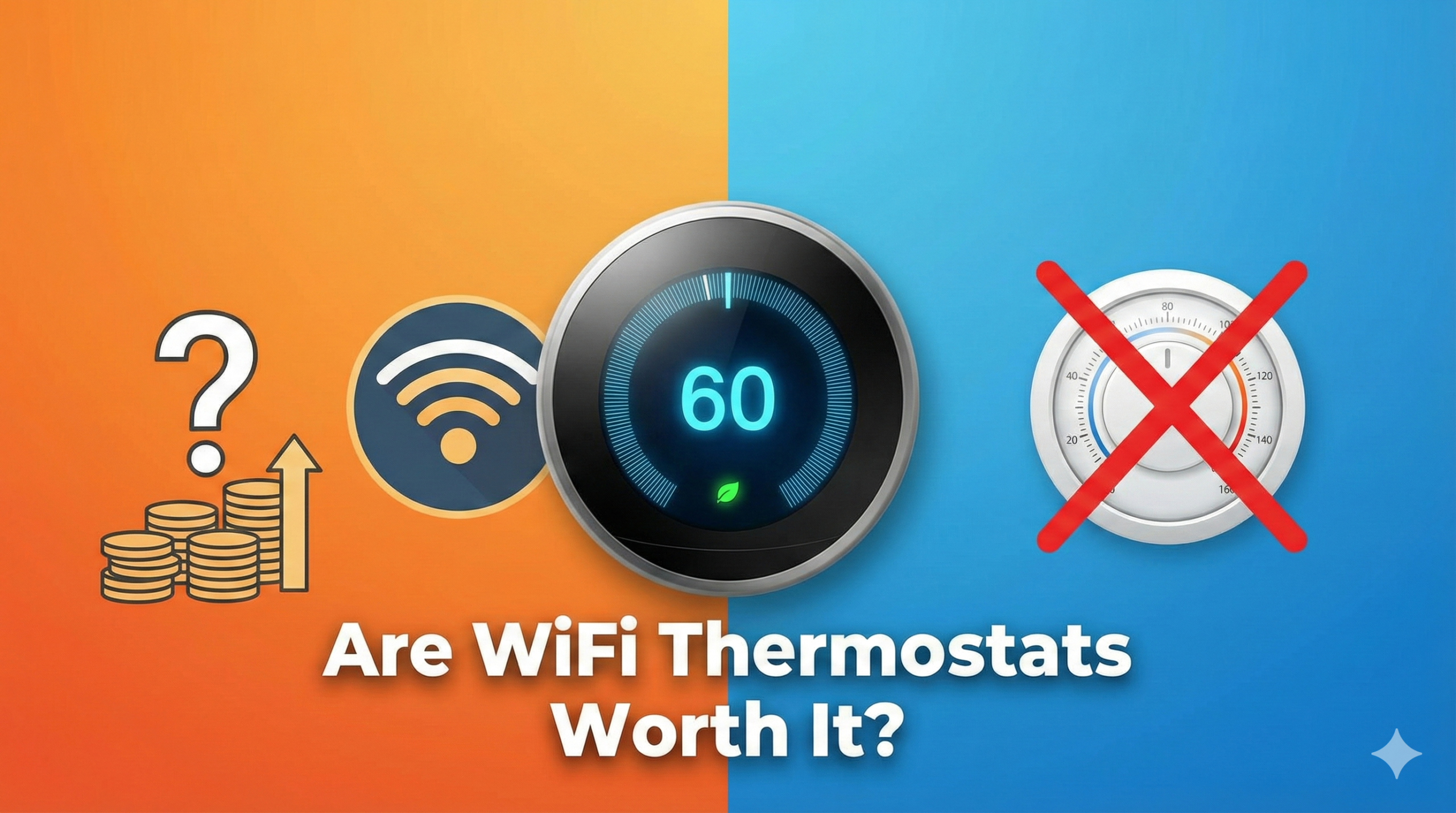
Are WiFi Thermostats Worth It? A 2026 Homeowner’s Guide
You’ve seen them everywhere. But does upgrading to a WiFi thermostat actually save you money, or is it just another expensive gadget?
We’ve all been there. You’re tucked into bed when you realize the house feels like a meat locker. Or you’re already halfway to the airport when that sinking feeling hits: you left the AC blasting. Today, a small, sleek device promises a solution: the WiFi thermostat.
For years, we relied on basic manual dials. To understand the leap forward, it helps to know how traditional systems work. The question now is whether the investment pays off.
Why Trust My Analysis?
I’m a home technology consultant with a decade of experience. I’ve installed hundreds of units and analyzed real-world energy reports to help homeowners extract maximum value.
The Short Answer: Are They Worth It?
Yes, for the vast majority of homeowners. The combination of energy savings, convenience, and insight allows these devices to pay for themselves in under two years.
Key Benefits
- Significant energy savings
- Remote control from anywhere
- Smart scheduling & geofencing
- HVAC health alerts
Potential Downsides
- Higher upfront cost
- Requires stable WiFi
- Installation can be tricky (C-wire)
The Real Value: A Deep Dive into the Benefits
To truly understand if it’s worth it *for you*, let’s look at the four pillars of value.
1. Real, Measurable Energy Savings
Heating and cooling account for nearly half of the average U.S. home’s energy bill. A smart thermostat tackles this by eliminating waste using algorithms and geofencing.
2. A Level of Convenience That Changes Habits
The “set it and forget it” promise is real. Whether you are in bed or on vacation, control is always at your fingertips via your phone or voice assistant.
3. Smart Home Integration
It acts as the central hub of your home’s climate, integrating with Alexa, Google Home, and Apple HomeKit to run routines like “Good Morning” or “Goodnight.”
4. Advanced Insights & Health Monitoring
Unlike “dumb” thermostats, smart models provide monthly energy reports and can even alert you if your furnace is taking too long to heat up, preventing costly emergency repairs.
The Potential Drawbacks
It’s important to be honest about the downsides.
- Upfront Cost: Expect to pay $100-$250, versus $30 for a basic unit.
- The C-Wire Requirement: Most smart thermostats require a “Common wire” for power. If you lack one, you may need an adapter kit.
Top Recommended WiFi Thermostats for 2026
Here are three excellent choices catering to different budgets.
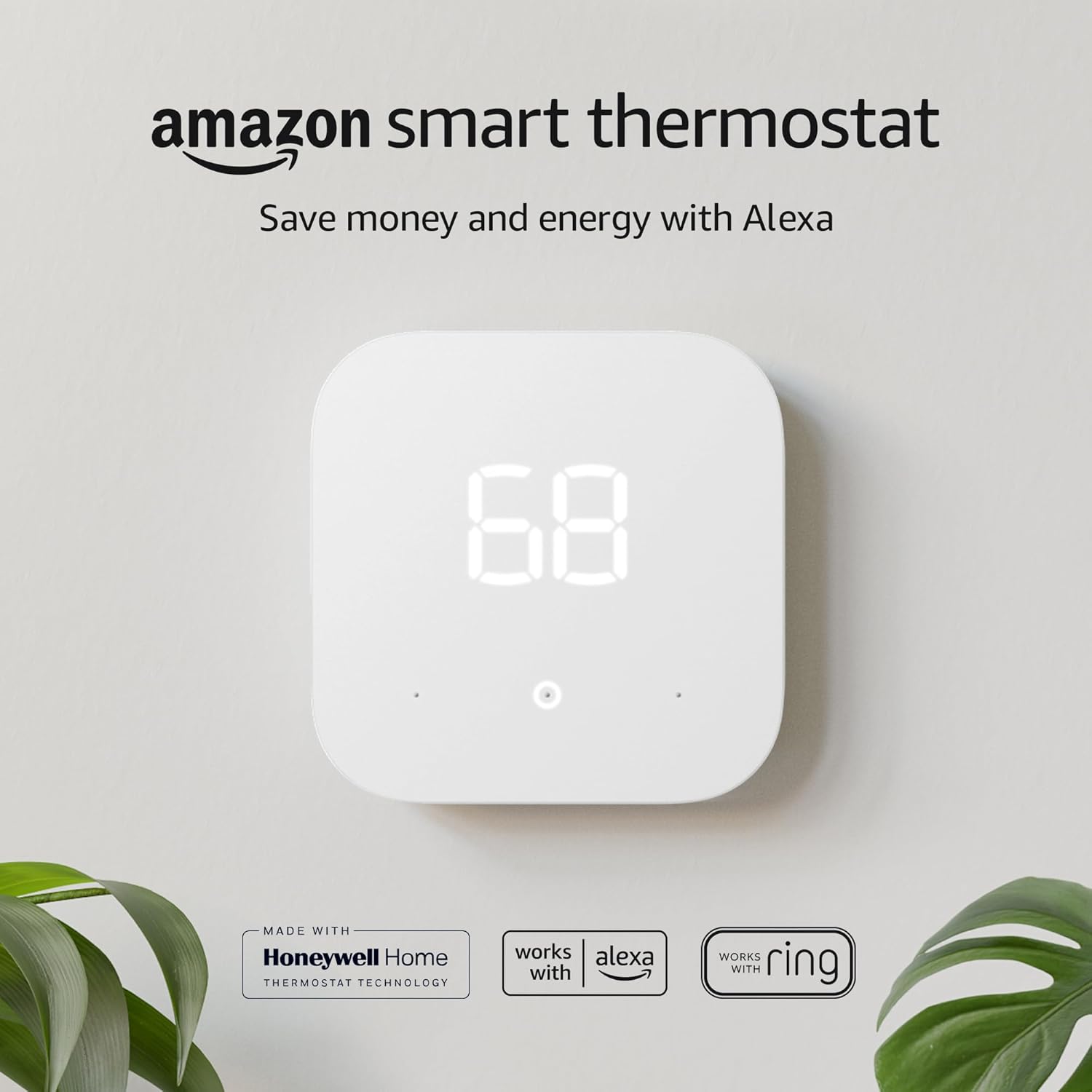
Best Budget Pick: Amazon Smart Thermostat
Perfect for the Alexa ecosystem. Developed with Honeywell technology, providing core smart features at an unbeatable price.
Check Price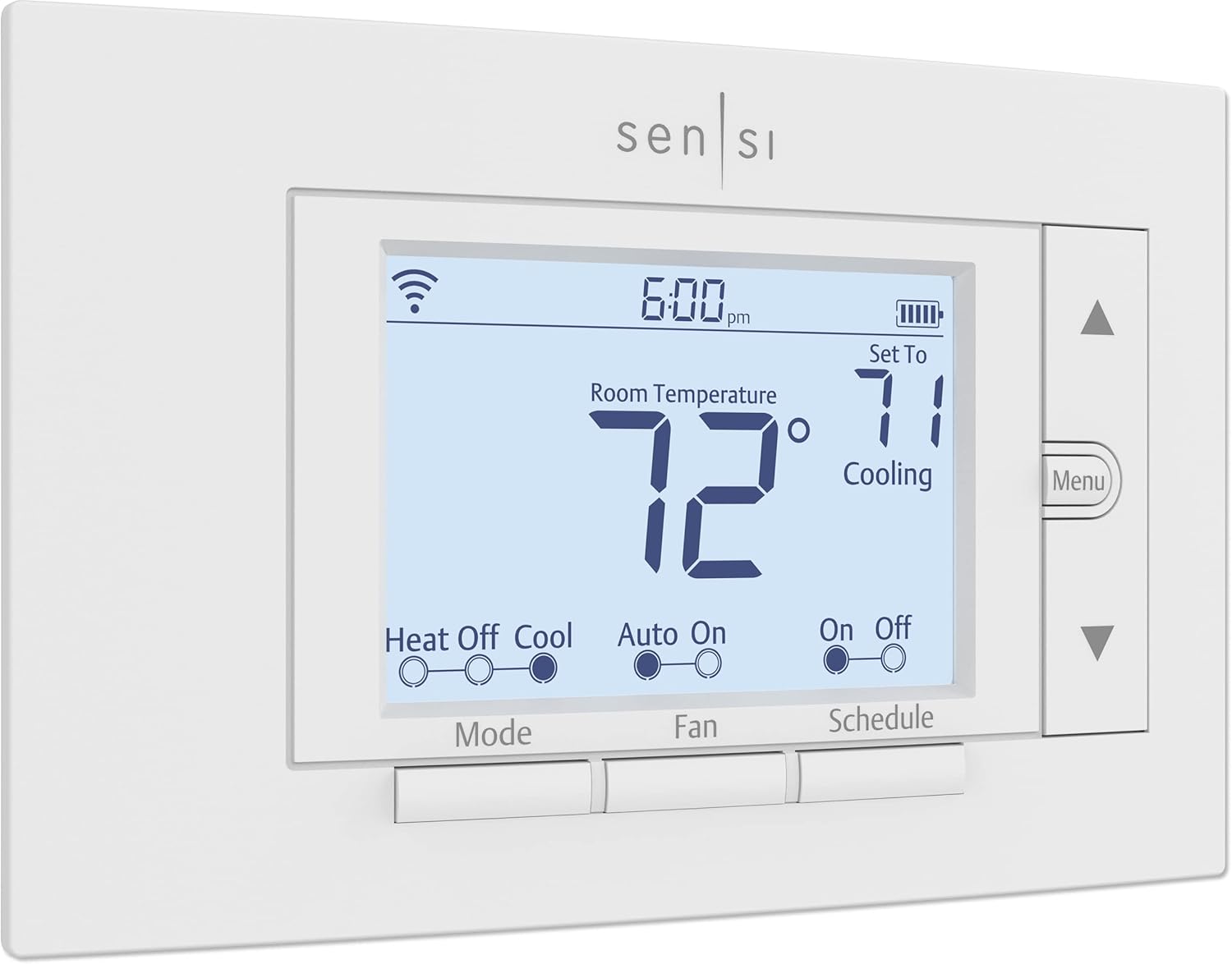
Best All-Around Value: Emerson Sensi
The practical choice. Works with all platforms and often doesn’t require a C-wire, making it perfect for older homes.
Check Price
The Premium Choice: Google Nest Learning
The gold standard. It learns your schedule automatically and features the beautiful Farsight display.
Check PriceFrequently Asked Questions
Yes, most people can do it in 30 minutes. Just ensure you turn off the breaker first!
Yes, they function as a standard manual thermostat if the internet goes down.
The Final Verdict: A Resounding Yes
It’s one of the few home upgrades that actively pays you back. For the average U.S. homeowner, this isn’t just a gadget; it’s a financial no-brainer.