Schluter DITRA-HEAT Review: Is It Worth The Premium Price?
We analyze the installation, cost, and long-term reliability of the world’s most popular uncoupling floor heating system.
The Quick Verdict
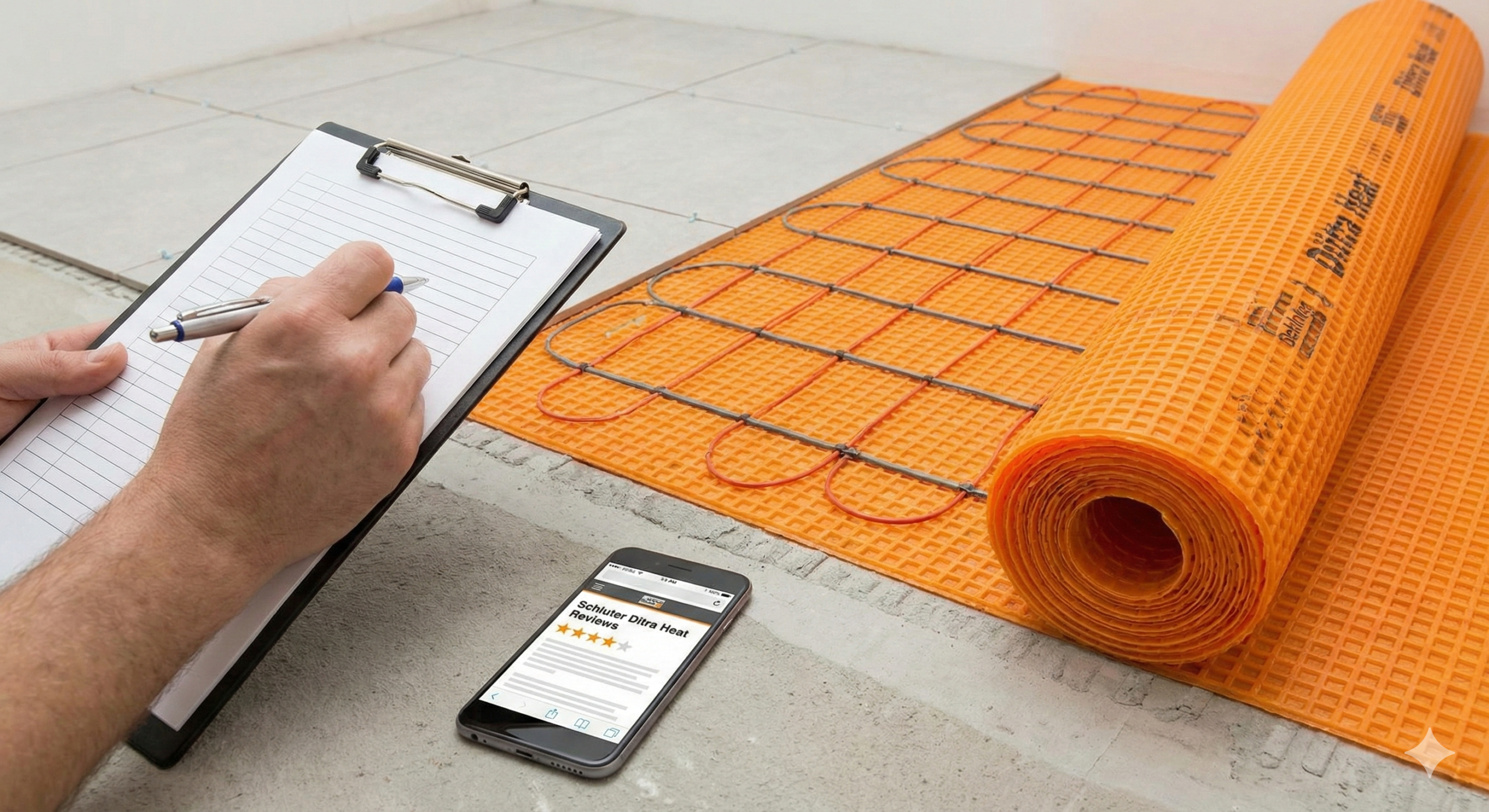
Schluter DITRA-HEAT is the undisputed king of electric floor heating for tile. While it commands a premium price, it solves the two biggest headaches of heated floors: cracked tiles and uneven heating wire spacing. The innovative stud design allows for custom heat zones and acts as a waterproof uncoupling membrane, killing two birds with one stone.
Bottom Line: If you are renovating a bathroom or kitchen and want a “forever” floor, this is the system to buy. The only downsides are the cost and the somewhat dated feel of the thermostat app.
What Exactly is Schluter DITRA-HEAT?
For decades, installing heated floors meant burying wires in a thick bed of cement or struggling with mesh mats that wouldn’t lay flat. Schluter changed the game by combining two technologies:
- Uncoupling Membrane: The orange plastic matting creates a flexible layer between your subfloor (wood/concrete) and your tile. This absorbs movement, preventing your expensive tile from cracking as the house shifts.
- Snap-In Heating Cables: Instead of taping wires down, you simply press the heating cable between the “studs” of the membrane. This guarantees perfect spacing and protects the wire from trowel damage.
It essentially acts as a protective armor for your heating wires while simultaneously waterproofing your subfloor.

Schluter DITRA-HEAT Complete Kit
This all-in-one package includes the membrane rolls, the heating cable, and the WiFi touchscreen thermostat. Ideal for bathrooms ranging from 30 to 80 sq ft.
Why we like it: It eliminates the guesswork of matching cable lengths to room sizes.
Check Price on Amazon
Installation: DIY Friendly or Pro Only?
We rate the installation difficulty a 6/10. It is achievable for a handy DIYer, but precision is required. Here is the reality of the process:
The Good
- No Self-Leveler Needed: Unlike mat systems, you don’t need to pour liquid cement over the wires. You tile directly on top.
- Custom Layouts: Have a weird angled toilet or a kitchen island? You just route the wire around it. You have total control over where the heat goes.
- Peel & Stick Option: Schluter recently released a “PS” (Peel and Stick) version of the membrane, which removes the need to mix thin-set mortar for the subfloor adhesion layer. This is a game-changer for DIYers.
The Bad
- The “Trowel” Workout: Filling the waffle-like cavities with thin-set when laying tile takes effort. Your arm will get a workout.
- Sensor Placement: You must install the two floor sensors correctly (centered between wires). If you mess this up, your thermostat may not reach the set temperature properly.
Cost Analysis: Is It Too Expensive?
Schluter DITRA-HEAT is roughly 20-30% more expensive than generic mesh mat systems (like SunTouch). However, you must factor in the “Hidden Savings”:
- No Backer Board: Because the membrane replaces cement board, you save $15-$20 per sheet on underlayment.
- Faster Install: Pros charge less for labor because it’s faster to install than old-school systems.
- Energy Efficiency: The “DUO” version of the membrane includes a thermal break (fleece layer) that pushes heat UP into the tile rather than down into the concrete, improving efficiency by up to 70% during heat-up phases. Read more about how smart heating saves money.
Estimated Material Cost: Expect to pay around $8-$12 per square foot for the total system (membrane + cable + thermostat).
The Weak Link: The WiFi Thermostat
If the system has a flaw, it is the app. While the hardware (the touchscreen thermostat) is elegant and robust, the Schluter Smart Thermostat app often receives mixed reviews for connectivity drops.
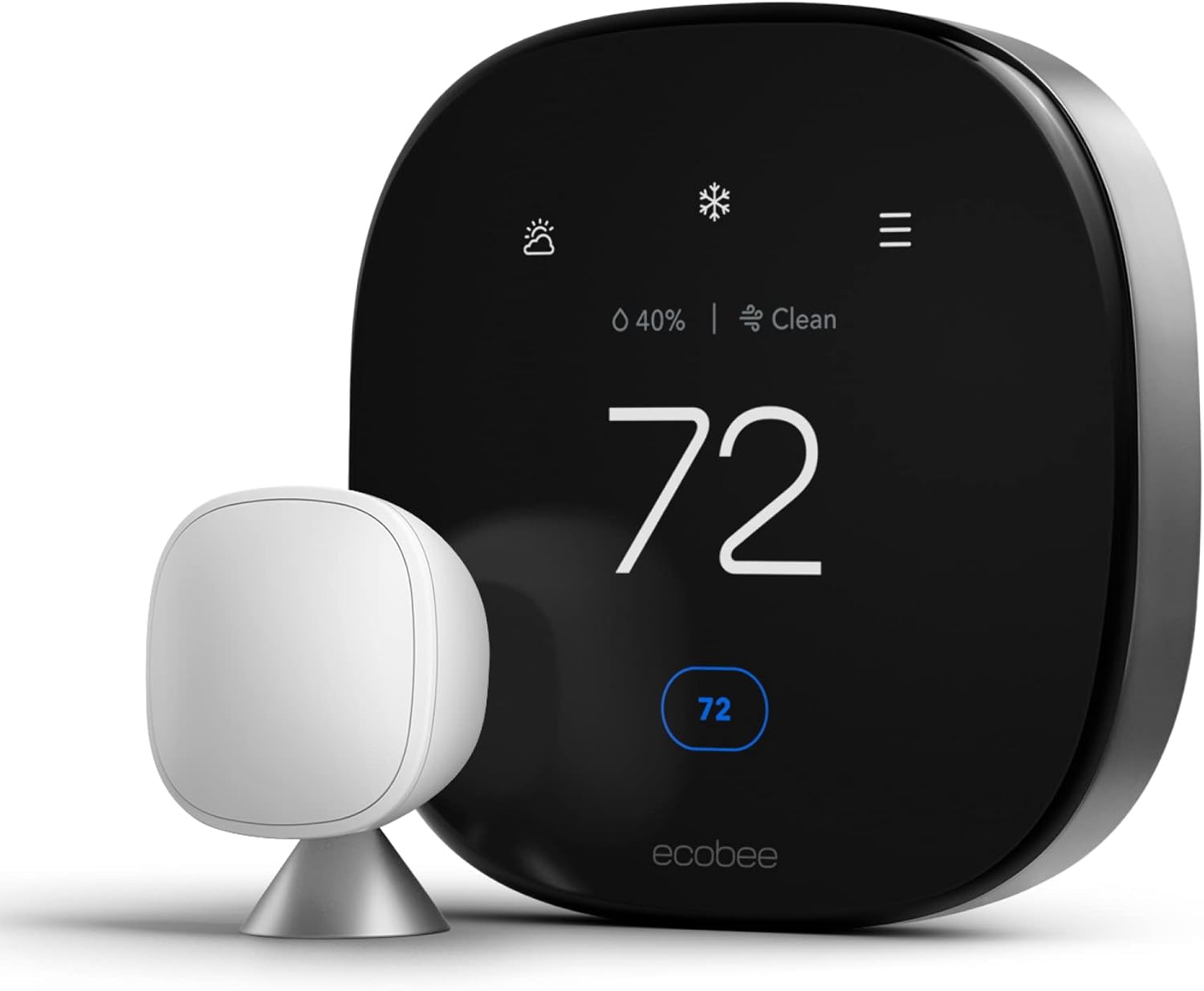
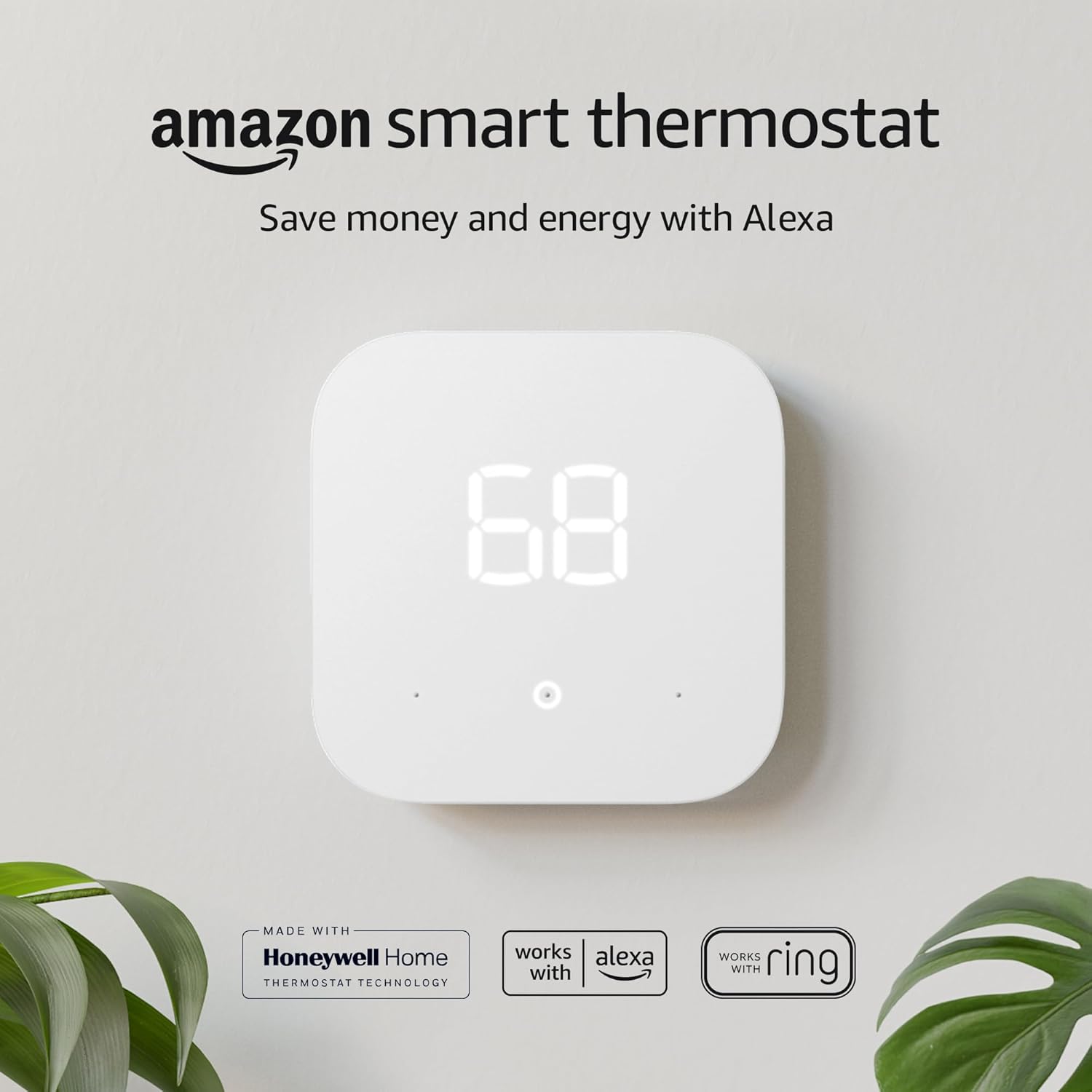
However, the thermostat itself is highly capable. It features a setup wizard, energy tracking, and works with 120V and 240V systems. If you find the programming confusing, check our guide on thermostat instructions for homeowners.
Pro Tip: You can swap the Schluter thermostat for a third-party option like Mysa or Nuheat Signature if you prefer a better smart home integration, as long as the resistance values match.
Pros & Cons Summary
✅ The Pros
- Uncoupling technology prevents tile cracks
- Waterproof (great for wet rooms)
- Lowest floor height buildup (only 1/4 inch)
- Customizable heating zones
- DUO version offers sound control & thermal break
❌ The Cons
- Higher upfront material cost
- Thermostat app interface is outdated
- Requires specific non-modified thin-set for some tiles
Comparison: Schluter vs. The Competition
| Feature | Schluter DITRA-HEAT | SunTouch Mats | Nuheat Mats |
|---|---|---|---|
| Installation | Membrane + Wire | Mesh Tape Roll | Custom Fabric Mat |
| Crack Isolation | Yes (Built-in) | No (Requires backer board) | No |
| Waterproofing | Yes | No | No |
| Customizability | High | Low (Fixed width) | Low (Pre-sized) |
| Price | $$$ | $$ | $$$$ |
For more comparisons on smart heating controls, see our breakdown of best thermostats for energy savings.





 Home
Home
 Info
Info
 Compare
 Reviews
 Shop
Shop