Trane vs. Carrier: Which Brand Reigns Supreme?
A brutally honest comparison of reliability, technology, cost, and the “Secret Factor” most homeowners ignore.
If you are shopping for a new air conditioner or furnace, you have inevitably narrowed your list down to the two heavyweights of the HVAC industry: Trane and Carrier.
Choosing between them is like choosing between Mercedes and BMW. Both are premium brands with long histories, massive R&D budgets, and high price tags. But they are not identical. Carrier is the innovator—the company founded by the man who invented modern air conditioning. Trane is the tank—the brand that built its reputation on being “Hard to Stop.”
In this guide, we are stripping away the marketing fluff to compare these two giants on the metrics that actually matter to homeowners: reliability, efficiency, noise levels, and total cost of ownership.
Head-to-Head Comparison
Before we dive deep, here is the high-level breakdown of how these two brands stack up in 2025.
| Feature | Trane | Carrier |
|---|---|---|
| Reputation | “Unstoppable” Durability | High-Tech Innovation |
| Top Efficiency (SEER2) | Up to 22 SEER2 (XV20i) | Up to 24 SEER2 (Infinity 26) |
| Signature Tech | Spine Fin Coil, TruComfort™ | Greenspeed® Intelligence |
| Noise Levels | Very Quiet (55-75 dB) | Whisper Quiet (51-70 dB) |
| Price Range | $$$ – $$$$ | $$$ – $$$$$ |
| Standard Warranty | 10-Year Parts | 10-Year Parts |
Reliability & Durability: The Spine Fin Factor
This is where the debate gets heated. Trane’s marketing slogan, “It’s Hard to Stop a Trane,” isn’t just catchy—it’s based on their engineering philosophy.
Trane’s Advantage: The Spine Fin Coil
Most AC manufacturers (including Carrier) use standard plate-fin coils. These are effective but can be prone to clogging and corrosion over time. Trane uses a proprietary all-aluminum Spine Fin™ coil. It looks like a bottle brush rather than a radiator. This design has fewer brazed joints (fewer places to leak) and is incredibly resistant to corrosion, making Trane a top pick for coastal areas.
Carrier’s Approach
Carrier focuses on precision engineering. Their units are rigorously tested and use high-quality galvanized steel cabinets. While they use standard fin coils, their rigorous quality control means they are still exceptionally reliable. However, in pure “take a beating” durability, Trane often gets the nod from technicians.
Is your current system acting up? Before replacing it, check our guide on troubleshooting when the thermostat isn’t reaching set temperature to rule out simple control issues.

Upgrade Your Control System
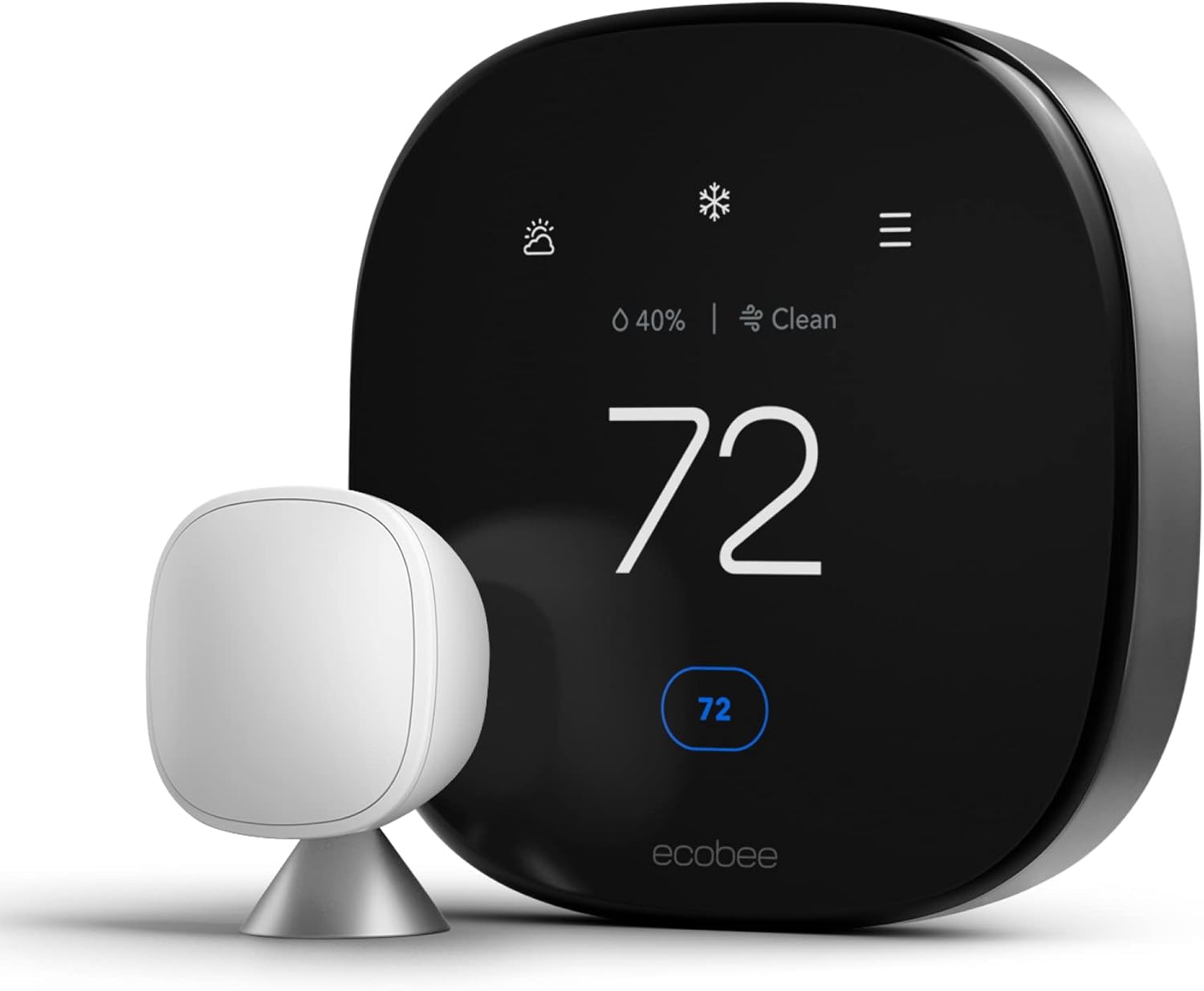
No matter which brand you choose, you need a smart thermostat to unlock efficiency. The Ecobee Smart Thermostat Premium works beautifully with both Trane and Carrier standard systems.
See Latest PriceInnovation & Technology
If you are a tech enthusiast who wants the absolute cutting edge, Carrier often takes the lead here.
Carrier Greenspeed® Intelligence
Carrier’s Infinity® System with Greenspeed Intelligence is widely considered the pinnacle of residential HVAC tech. It offers variable-speed compression that can ramp down to 25% capacity, maintaining temperature within a fraction of a degree. It is incredibly quiet and efficient.
Trane TruComfort™
Trane’s answer is TruComfort. It also offers variable-speed technology with 700+ stages of heating/cooling. It effectively eliminates temperature swings. While excellent, Carrier’s interface and proprietary thermostat (the Infinity Touch) are often cited as slightly more user-friendly.
Note: Both brands require their own proprietary communicating thermostats to achieve maximum efficiency. To understand compatibility, read our detailed explanation of thermostat types.
Cost Analysis
Neither brand is “budget-friendly.” If you want cheap, you look at Goodman or specialized builder-grade brands.
- Carrier: Generally the most expensive, especially for the Infinity series. Expect to pay between $6,000 and $12,000+ for a complete system installation depending on size and SEER rating.
- Trane: Slightly less expensive than Carrier’s top tier, but still a premium. Installation costs range from $5,500 to $11,000+.
Keep in mind that Carrier parts are somewhat ubiquitous, but proprietary “communicating” parts for both brands can be expensive to replace out of warranty.
The “Secret Factor”: Installation Quality
Here is the truth that manufacturers don’t want to admit: The brand matters less than the installer.
A top-tier Carrier Infinity system installed poorly (bad ductwork, wrong refrigerant charge, poor brazing) will fail in 5 years. A mid-range Trane XR installed perfectly will last 20 years.
When getting quotes, pay more attention to the HVAC contractor’s reputation than the logo on the box. Ask for Manual J load calculations and check their reviews.
Thinking of pairing a third-party thermostat? Read our Ecobee3 Lite review to see if you can save money on controls without sacrificing comfort.
Final Verdict: Which Brand Should You Choose?
Choose Trane If:
- You live in a harsh environment (coastal/extreme heat).
- Durability is your #1 priority.
- You want the reliability of the Spine Fin coil.
Choose Carrier If:
- You want the absolute quietest system.
- You prioritize maximum SEER efficiency.
- You want the advanced features of the Infinity control system.





 Home
Home
 Info
Info
 Compare
 Reviews
 Shop
Shop