Remote Sensor Technology
Mastering precision climate control in every room of your home.
What Is a Thermostat “Remote Sensor”? Meaning, Benefits & How It Works
Most thermostats suffer from a fatal flaw: they measure the temperature in the hallway, which is rarely the room where you actually spend your time. A remote sensor solves this by allowing your thermostat to “see” the temperature in other parts of the house.
What a Thermostat Remote Sensor Is
A remote sensor is a secondary device that pairs with your main thermostat to monitor localized climate conditions. It acts as a set of eyes and ears for your HVAC system, reporting data back to the brain on the wall.
Definition of a Remote Temperature Sensor
Technically, it is a thermistor housed in a small, wireless case. It measures ambient air temperature and, in many smart models, occupancy (whether someone is in the room) and humidity.
How It Differs from the Thermostat’s Built-In Sensor
While the built-in sensor is hardwired to the unit, remote sensors are portable. They allow you to bypass the readings from a thermostat that might be stuck in a sun-drenched hallway or a drafty corner. If your main unit is reporting inaccurate data, check our 10-minute faulty thermostat checklist to see if a remote sensor is the necessary fix.
Why Some Thermostats Include Remote Sensors
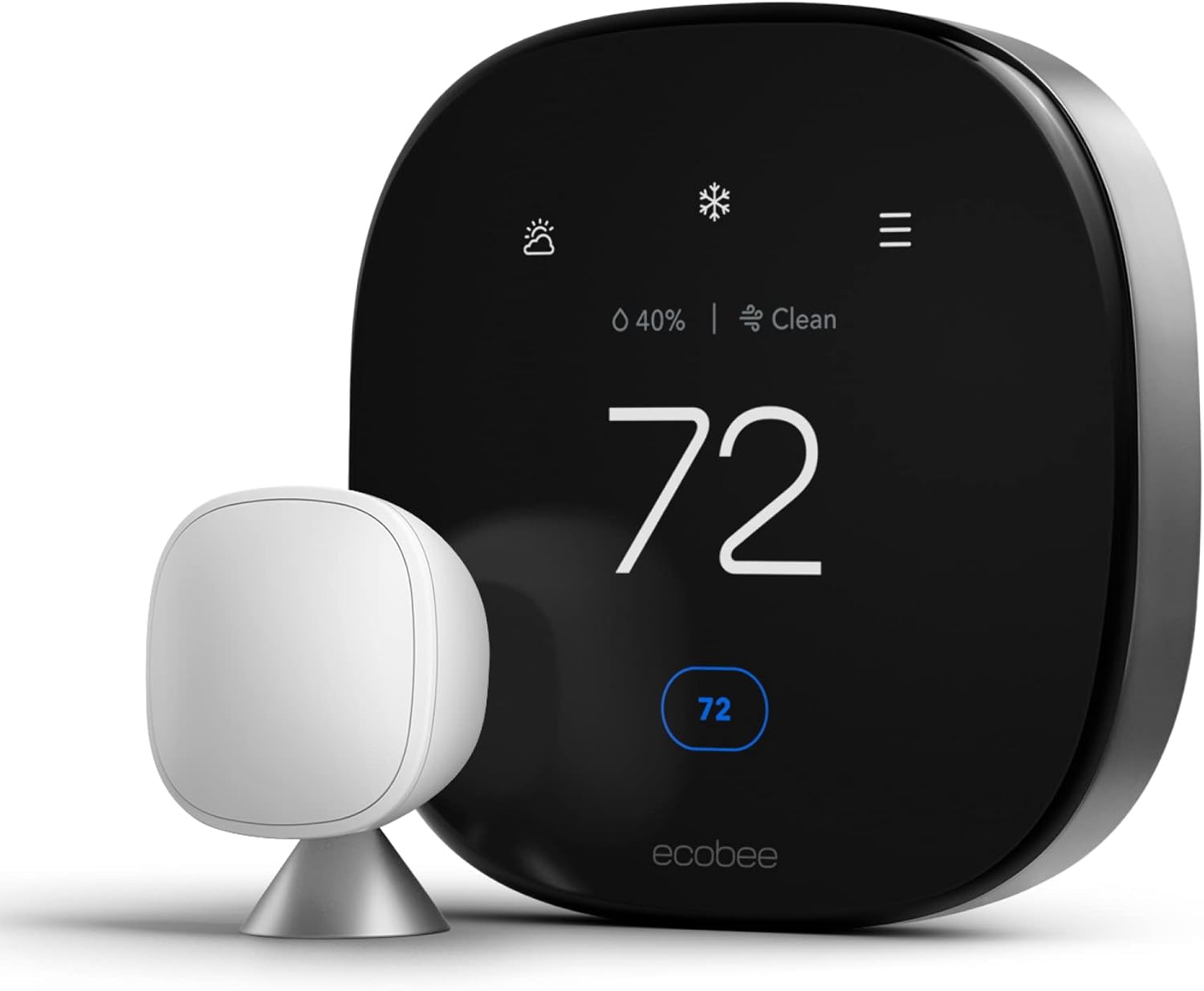
Manufacturers include them to provide “whole-home” comfort. Devices like the Ecobee were built specifically around this concept, knowing that a single point of data is insufficient for multi-story homes.
How Remote Sensors Work with Thermostats
Remote sensors aren’t just “extra thermometers”; they are active participants in your HVAC’s logic.
Wireless vs Wired Remote Sensors
Most modern residential sensors use wireless protocols (like Zigbee or proprietary RF) to communicate. Older commercial systems sometimes use 10k sensors that require spliced or extended wiring to reach the thermostat.
Modes of Operation (Averaging, Priority, Balance)
- Averaging: The thermostat takes the average temperature of all sensors. (e.g., if the hall is 74°F and the bedroom is 70°F, it treats the house as 72°F).
- Priority: The thermostat ignores all other sensors and focuses only on one (e.g., “Follow Me” mode in the bedroom at night).
- Balance: A mix where the system ensures no room exceeds a certain temperature while trying to maintain an average.
Benefits of Using Remote Sensors
Measures the rooms you actually live in.
Eliminates the “sweaty bedroom” problem.
Prevents over-cooling empty rooms.
Improved Comfort and Energy Efficiency
By using Ecobee SmartSensors or Nest Temperature Sensors, your system can enter “Eco” mode automatically when it detects that the rooms with sensors are empty, even if the main thermostat’s schedule says otherwise.
Typical Use Cases for Remote Sensors
Bedrooms and Living Rooms
Placing a sensor in the nursery ensures that the most vulnerable member of the family is always at the perfect temperature, regardless of how cold the rest of the house gets.
When Thermostat Location Isn’t Ideal
If your thermostat is near the kitchen, the heat from cooking will shut off the AC for the rest of the house. A remote sensor in the living room allows the system to ignore the kitchen’s heat spikes.
Are Remote Sensors Compatible With All Thermostats?
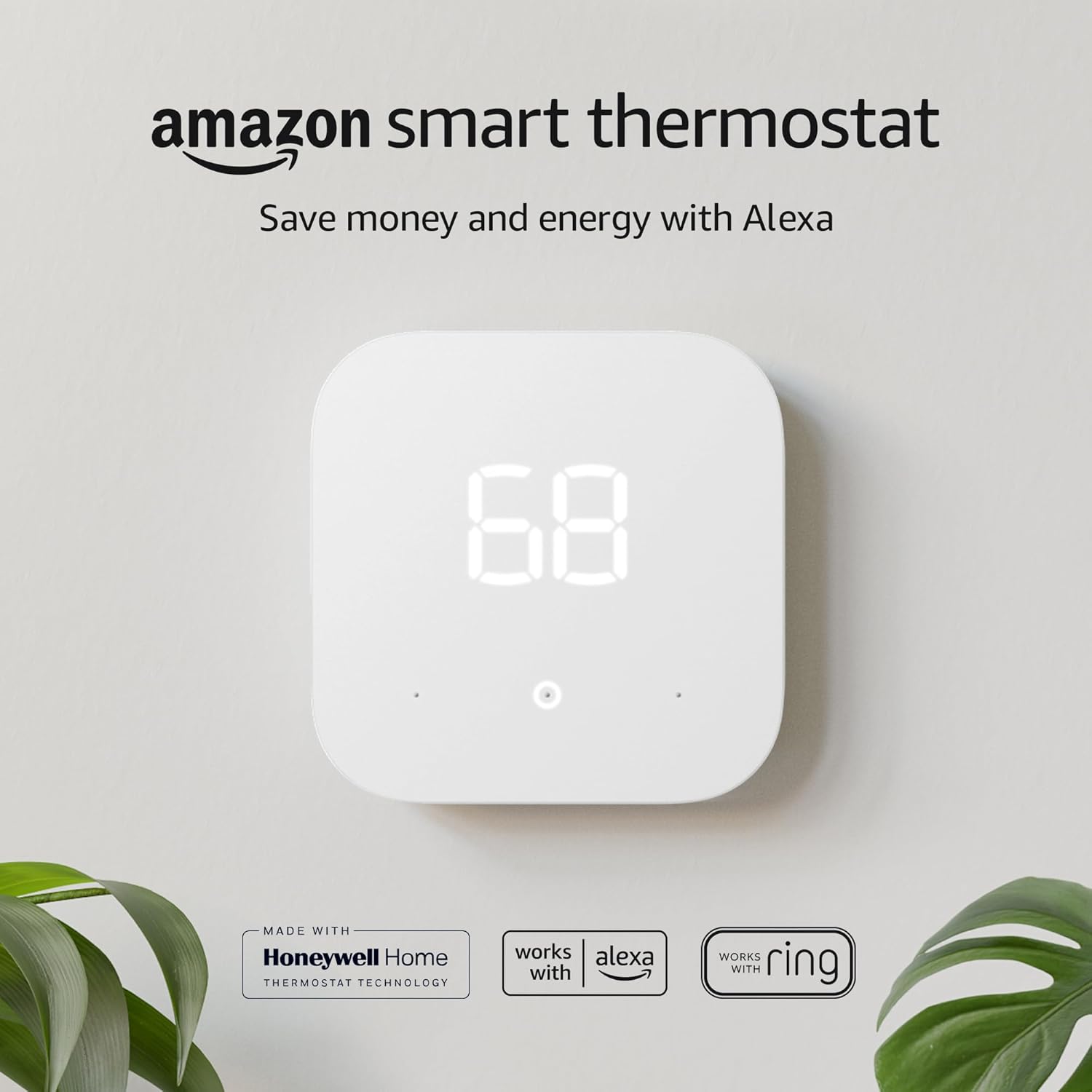
Not all thermostats can talk to remote sensors. You generally need a “Smart” or “Communicating” thermostat to use wireless options.
Nest, Honeywell and Ecobee Support
Ecobee is the leader in this space, supporting up to 32 sensors. Nest supports up to 6, though they do not feature occupancy sensing like Ecobee. If you’re comparing the two, look at the AI learning vs schedule efficiency to see how sensors factor into their logic.
Frequently Asked Questions
Can I Use a Remote Sensor Without a Smart Thermostat?
Generally, no. Basic programmable thermostats lack the wireless radio and software logic required to process data from a remote sensor.
Do Remote Sensors Improve HVAC Efficiency?
Yes, by preventing your system from running unnecessarily based on a single localized temperature reading that doesn’t reflect the whole home.
Where Should I Place a Remote Sensor for Best Results?
Place it on an interior wall, about 5 feet off the ground, away from air vents, windows, or direct sunlight for the most accurate reading.





 Home
Home
 Info
Info
 Compare
 Reviews
 Shop
Shop