Automation at its Peak
Stop heating an empty house. Start coming home to comfort.
What Is a Thermostat “Home/Away” Feature? Meaning, Benefits & How It Works
A smart thermostat’s greatest strength is its ability to know when you are gone. The “Home/Away” feature (often called “Eco” mode or “Occupancy Detection”) allows your HVAC system to switch between a comfortable temperature when you’re present and an energy-saving temperature when you’re out.
What the Home/Away Feature Does
At its core, Home/Away mode changes your thermostat’s behavior based on occupancy. Instead of sticking to a rigid time-based schedule, the thermostat “checks” to see if anyone is in the house before deciding to run the furnace or AC.
Definition of Home/Away Mode
When the thermostat detects you have left, it enters “Away” (or Eco) mode, allowing the temperature to drift higher in the summer or lower in the winter. As soon as you return, it switches back to “Home” mode to restore comfort. This is the cornerstone of smart learning vs schedule efficiency.
Energy Savings Without Manual Adjustments
Most people forget to turn down the heat when they leave for a quick errand. Home/Away automation handles this for you, ensuring that you only pay for comfort when you are there to enjoy it.
How Home/Away Works in Smart Thermostats
Thermostats use two primary methods to determine if you are home: your phone’s location and physical sensors.
Using Phone Location and Geofencing
Geofencing creates a virtual “fence” around your property using your smartphone’s GPS. When your phone crosses this boundary, it sends a signal to the thermostat. You can learn more about how this impacts system performance in our guide to geofencing and HVAC runtime.
Motion and Occupancy Sensors
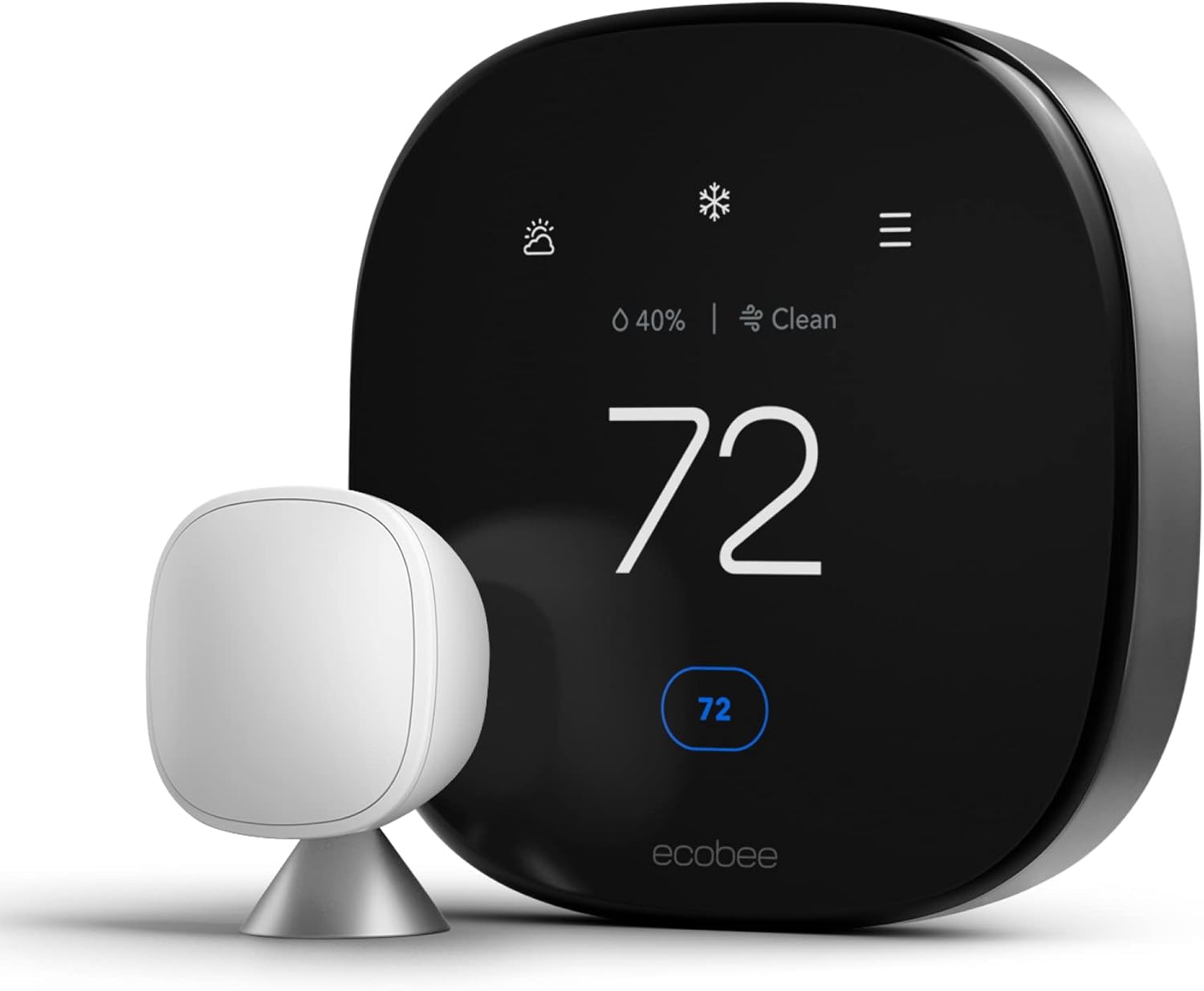
If you don’t want to use phone tracking, thermostats like Ecobee use passive infrared (PIR) sensors. If the sensors don’t detect movement for a set period, the thermostat assumes the house is empty. Using remote sensors for comfort allows this detection to happen in multiple rooms, not just the hallway.
Benefits of the Home/Away Feature
- Energy Savings: Reduces runtime by 10–20% by not heating or cooling an empty house.
- Comfort Upon Return: Many geofencing systems start cooling the house as you get close, so it’s perfect by the time you walk in.
- System Longevity: Fewer run cycles mean less wear and tear on your compressor and blower motor.
Typical Use Cases
Home/Away is most beneficial for those with variable schedules. If your workday ends at 5:00 PM on Monday but 7:00 PM on Tuesday, a standard schedule would waste two hours of energy on Tuesday. Home/Away adapts in real-time.
When Home/Away Might Not Work Correctly
Despite the advanced tech, issues can arise. If your thermostat stays in “Away” mode while you’re sitting on the couch, you might have a sensor obstruction. You can troubleshoot these issues using our 10-minute faulty thermostat checklist.
Location/Geofencing Issues
If your phone’s “Background App Refresh” is turned off, or if you are in a “dead zone” for GPS, the thermostat may never receive the “I’m home” signal. Similarly, if multiple people live in the house, the system must be configured to wait until the last person leaves before switching to Away.
Frequently Asked Questions
Can the Thermostat Switch to Away Automatically?
Yes, if you have Geofencing or Auto-Away enabled. It will wait for a pre-set period of inactivity (usually 1-2 hours) before switching if using sensors alone.
Does Home/Away Override My Schedule Always?
On most smart thermostats, yes. The occupancy detection is treated as a higher-priority logic than the clock-based schedule.
Is Home/Away Feature Worth Using?
Absolutely. It is the single most effective feature for reducing energy bills without sacrificing personal comfort.
How Do I Turn Home/Away On or Off?
This is usually found in the “Settings” or “Preferences” menu of your thermostat app under “Home/Away Assist” (Nest) or “Eco+” (Ecobee).





 Home
Home
 Info
Info
 Compare
 Reviews
 Shop
Shop