Adaptive Learning AI
Transforming your habit patterns into climate perfection.
What Is Thermostat “Adaptive Learning”? Meaning, Benefits & How It Works
For decades, thermostats were “dumb” boxes on the wall. **Adaptive Learning** has changed that, turning the thermostat into a self-programming assistant that learns your life story through your temperature adjustments. Instead of you following a schedule, the schedule follows you.
What Adaptive Learning Means on a Thermostat
Adaptive learning is an artificial intelligence (AI) feature that analyzes your behavior to create an optimized HVAC schedule. It moves beyond simple “if-this-then-that” rules to understand the nuance of your home’s thermal properties and your personal preferences.
How It Differs From Manual Schedules
In a manual setup, if you get home early, the house is cold until you touch the dial. With adaptive learning, the system recognizes a pattern of early arrivals and begins pre-heating the home. This is a core part of the smart vs programmable AI efficiency debate.
How Adaptive Learning Works
The “learning” process isn’t magic; it’s a data-driven cycle of observation and execution.
The Learning Loop:
- Observation: The device logs every manual adjustment you make for 7–14 days.
- Contextualization: It cross-references your changes with the time of day, outdoor weather, and occupancy.
- Anticipation: It begins making those adjustments before you reach for the dial.
Adjusting Setpoints Based on Weather
Advanced AI doesn’t just look at the clock; it looks at the forecast. If the AI knows a heatwave is coming, it may adjust the “pre-cooling” duration to ensure the house is comfortable by the time you arrive. This is often tracked via geofencing and runtime data.
Benefits of Adaptive Learning Thermostats
- Increased Comfort: The system learns exactly when you wake up and when you sleep, ensuring the temperature is always perfect.
- Lower Energy Bills: By eliminating human error (forgetting to turn down the heat), the AI maximizes “Eco” time.
- Zero Maintenance: You never have to “re-program” for a new season; the AI adapts as your habits change with the weather.
Adaptive Learning vs Other Modes
| Mode | How It Works | Best For |
|---|---|---|
| Manual Schedule | User programs specific times. | Highly predictable routines. |
| Home/Away | Uses sensors/GPS to toggle states. | Saving energy when vacant. |
| Adaptive Learning | AI predicts and creates the schedule. | Dynamic, changing lifestyles. |
Common Misconceptions
Many believe that Adaptive Learning requires a smartphone to work. While apps help, many devices can learn simply by you turning the physical dial on the wall. However, if your AI seems to be “learning” the wrong things, you might want to check our 10-minute faulty thermostat checklist to ensure a sensor isn’t misreading the room.
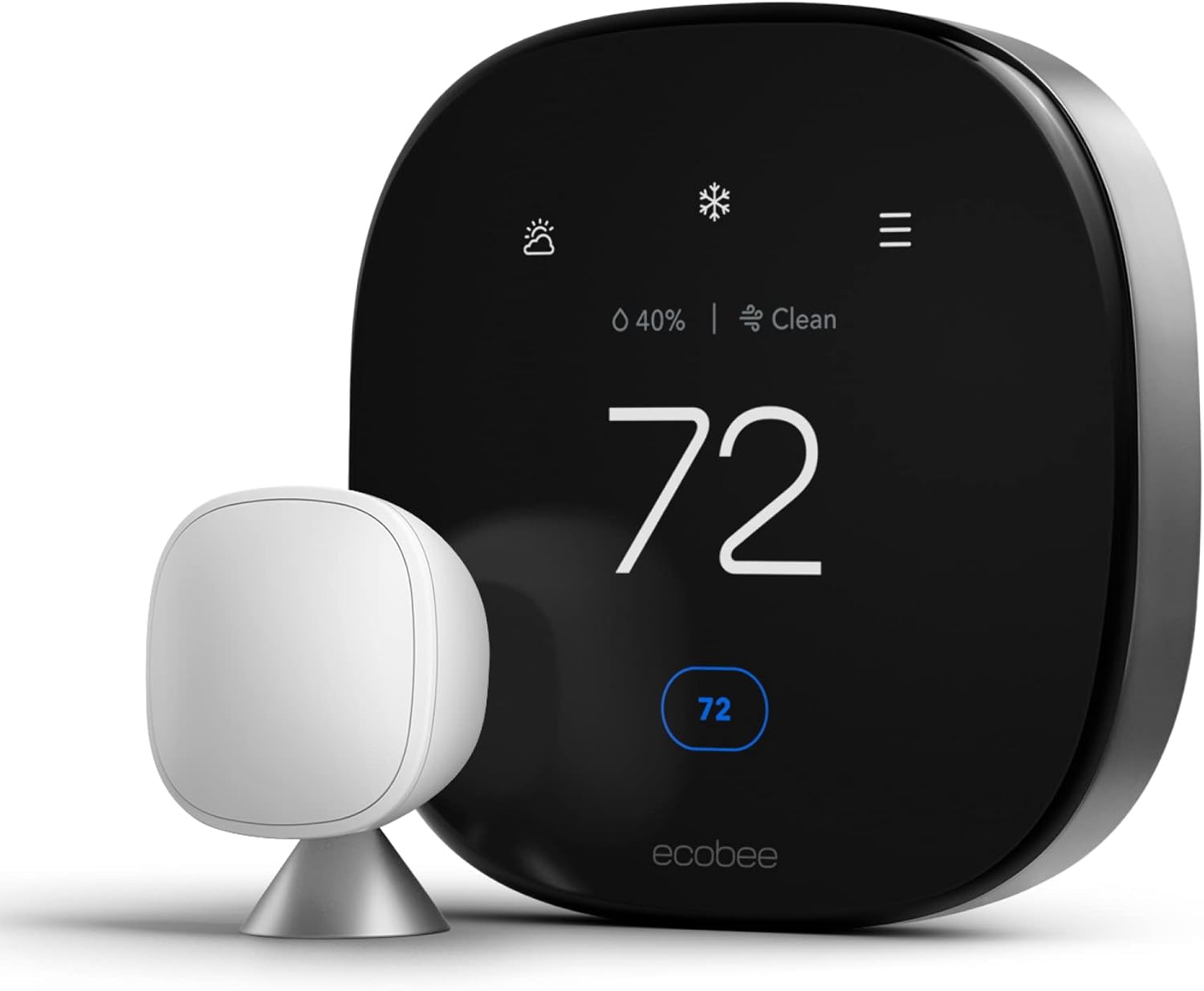
Another myth is that it replaces schedules completely. In reality, it works best when paired with remote comfort sensors that give the AI a complete picture of the home’s occupancy.
Frequently Asked Questions
Does Adaptive Learning Override My Schedule?
Yes. By design, adaptive learning is meant to evolve your schedule. If you want a fixed, unchangeable routine, you should disable the learning features.
How Long Does It Take to Learn My Habits?
Most thermostats require a “prime” period of 7 to 10 days of consistent manual use to build a reliable initial schedule.
Can It Save Money on Utility Bills?
Typically, yes. Real-world data shows adaptive thermostats save between 10% and 15% on heating and cooling costs compared to non-programmable models.





 Home
Home
 Info
Info
 Compare
 Reviews
 Shop
Shop