Do Smart Thermostats Really Save Money? An In-Depth Analysis
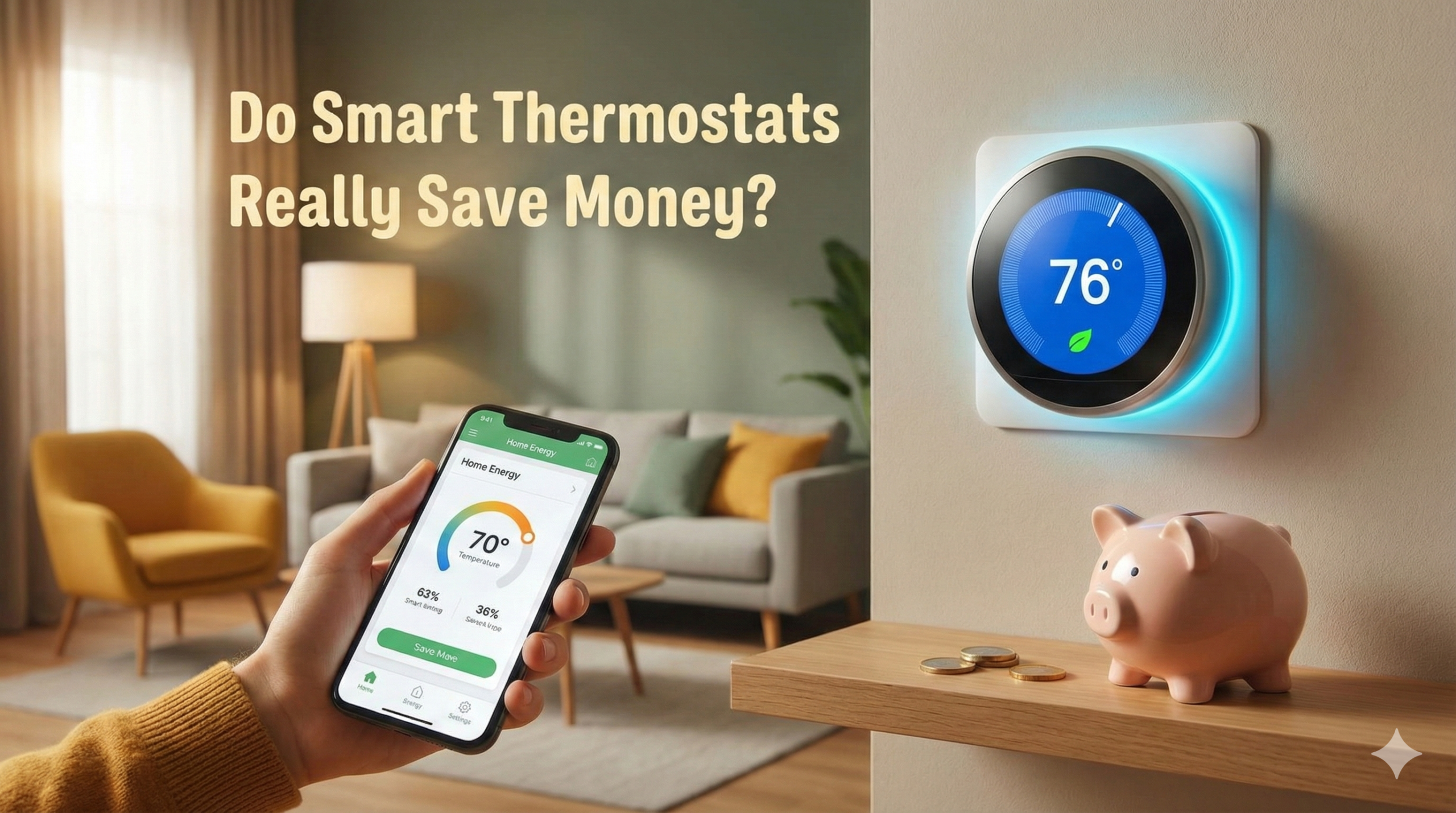
The promise is enticing: install a sleek gadget on your wall, and watch your energy bills plummet. But does the reality match the marketing hype? We break down the data, the mechanics, and the ROI of upgrading your HVAC control.
The Short Answer: Yes, But It’s Complicated
If you are looking for a simple “yes” or “no,” the answer leans heavily toward yes—smart thermostats generally save money. However, the amount you save depends less on the device itself and more on how your home was managed before you installed it.
Smart thermostats are not magical devices that change the physics of your furnace or air conditioner. Instead, they act as highly efficient managers. If you were already diligent about manually adjusting your thermostat—turning it down when you sleep and off when you leave for work—your savings with a smart device might be marginal. However, for the vast majority of homeowners who “set it and forget it,” the savings can be substantial.
To understand the potential ROI, we first need to understand the mechanism. For a deep dive into the basics, check out our article where we have the thermostat explained in simple terms.
The Mechanics of Energy Savings
Smart thermostats utilize three main technologies to reduce energy consumption without sacrificing comfort. Understanding these features helps determine if an upgrade is worth the investment.
1. Learning Algorithms & Occupancy Sensing
Top-tier models, such as the Google Nest Learning Thermostat, use motion sensors and algorithmic learning to understand your schedule. After a week of manual adjustments, the thermostat “learns” that you leave at 8:00 AM and return at 6:00 PM. It automatically sets back the temperature during these unoccupied hours.
2. Geofencing
This is perhaps the most effective money-saving feature. By connecting to the GPS on your smartphone, the thermostat knows exactly when you leave the perimeter of your home. It immediately switches to “Eco Mode” or “Away Mode.” If you run out for errands unexpectedly, you don’t waste energy heating an empty house.
3. Energy Reports and Eco-Coaching
Knowledge is power. Most smart thermostat apps provide monthly energy reports showing how many hours your HVAC system ran. They often award “leaves” or badges for efficient days, gamifying energy conservation. If you are wondering are WiFi thermostats worth it just for the data? For data-driven homeowners, absolutely.
Start Saving Today with the Industry Leader

The Google Nest Learning Thermostat is the gold standard for automated energy savings.
Analyzing the Data: What the Studies Say
Let’s look at the hard numbers. Manufacturers have conducted extensive internal studies, and third-party organizations like Energy Star have verified many of these claims.
- Google Nest: Claims savings of 10% to 12% on heating and 15% on cooling. This equates to average savings of $131 to $145 per year.
- Ecobee: Claims customers save up to 23% on combined heating and cooling costs (compared to a hold of 72°F).
- EPA Energy Star: Smart thermostats that earn the Energy Star certification are independently verified to save energy based on field data.
If your annual energy bill is $1,500, a 10% saving puts $150 back in your pocket. Considering many smart thermostats cost between $100 and $250, the return on investment (ROI) is typically achieved within 12 to 24 months.
However, you need to ensure you choose the right model for your specific needs to see these results. For example, understanding what is the best smart thermostat for energy savings often comes down to whether you need room sensors or just basic scheduling.
Manual vs. Programmable vs. Smart Thermostats
Is the jump from a standard programmable unit to a smart unit justified? Here is the breakdown.
| Feature | Manual Thermostat | Programmable Thermostat | Smart Thermostat |
|---|---|---|---|
| Cost | $20 – $40 | $30 – $80 | $90 – $250+ |
| Remote Access | No | No | Yes (App Control) |
| Learning Ability | None | None | High (AI Driven) |
| Energy Reports | No | No | Detailed |
| Est. Savings | 0% (User Dependent) | 5-10% (If programmed correctly) | 10-23% (Automated) |
Many people struggle with older units. If you find yourself constantly battling your current interface, you might want to see our comparison of Honeywell vs Emerson thermostats to see how traditional brands are pivoting to smart tech.
Why You Might NOT Save Money
While the technology is sound, external factors can negate the benefits. Installing a smart thermostat in an inefficient home is like putting a band-aid on a broken leg.
1. Poor Insulation and Drafts
If your home leaks heat, your furnace will run constantly regardless of how smart the thermostat is. Before upgrading, check your windows and attic insulation.
2. Improper Installation and Wiring
Many older homes lack a C-wire (Common wire), which provides continuous power to the thermostat. Without it, some smart thermostats “power steal” from the HVAC system, which can cause short cycling or system failure. If you notice your thermostat keeps rebooting, this is a likely culprit.
3. The “Comfort” Trap
Smart thermostats make it incredibly easy to change the temperature from your couch via your phone. If you use this convenience to crank up the heat constantly, you will override the energy-saving algorithms.
4. System Compatibility
Not all heating systems are compatible. For example, most smart thermostats run on low voltage (24V). If you have high-voltage baseboard heating, you need a specific type of controller. Read our guide on the thermostat for baseboard heaters to avoid buying the wrong unit.
Top Contenders in the Market
The market is dominated by a few key players, each with different strengths regarding energy efficiency.
Ecobee
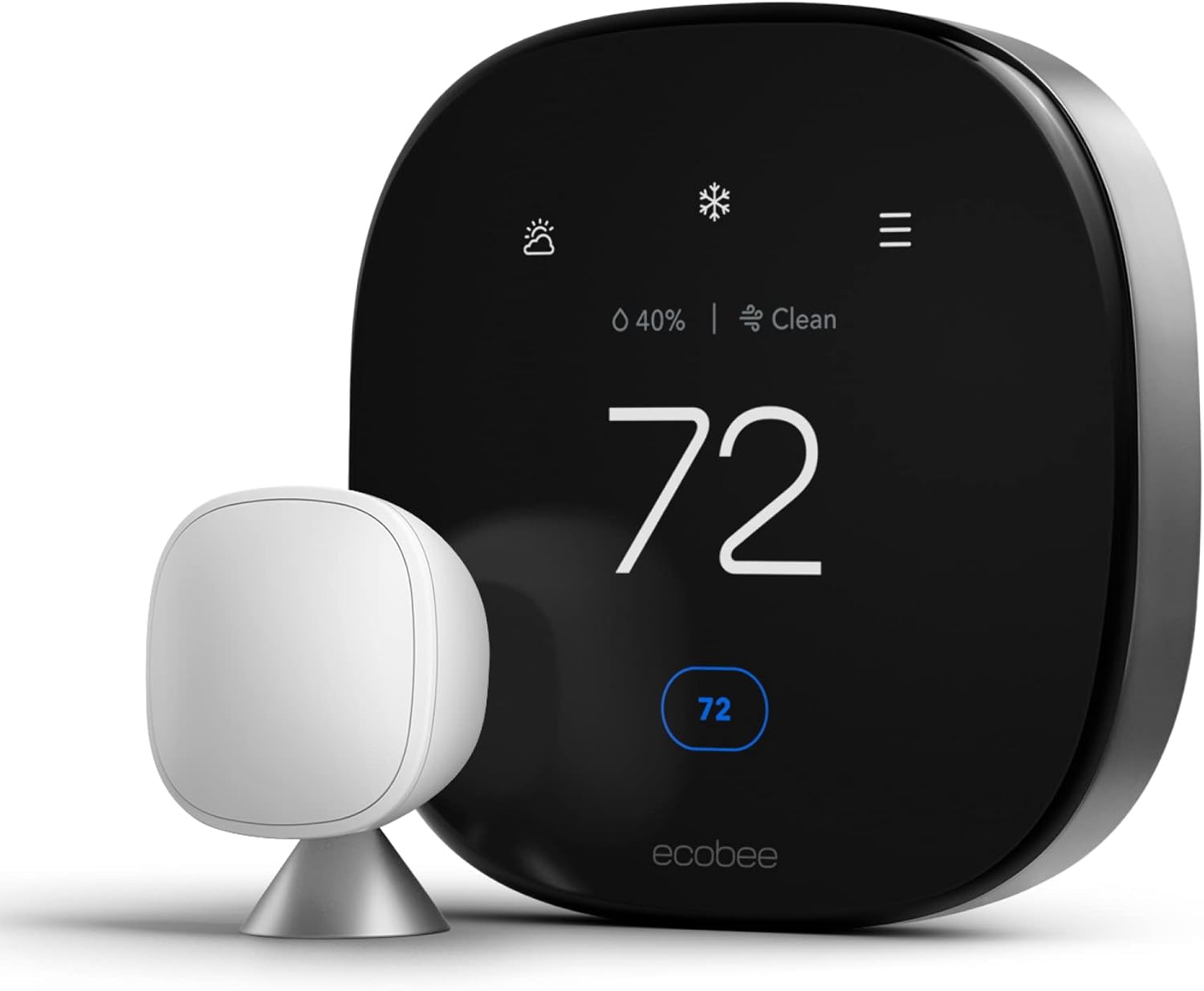
Ecobee is renowned for its remote room sensors. If you have a large home with hot or cold spots, Ecobee can average the temperature or focus on occupied rooms. This prevents the HVAC from running unnecessarily to heat an empty hallway.
Read more: Ecobee vs Wyze Thermostat
Google Nest
Nest is the king of aesthetics and learning. It is best for users who want zero friction—install it, and it programs itself.
Read more: Honeywell Thermostat vs Nest
Budget Options (Wyze, Amazon, Emerson)
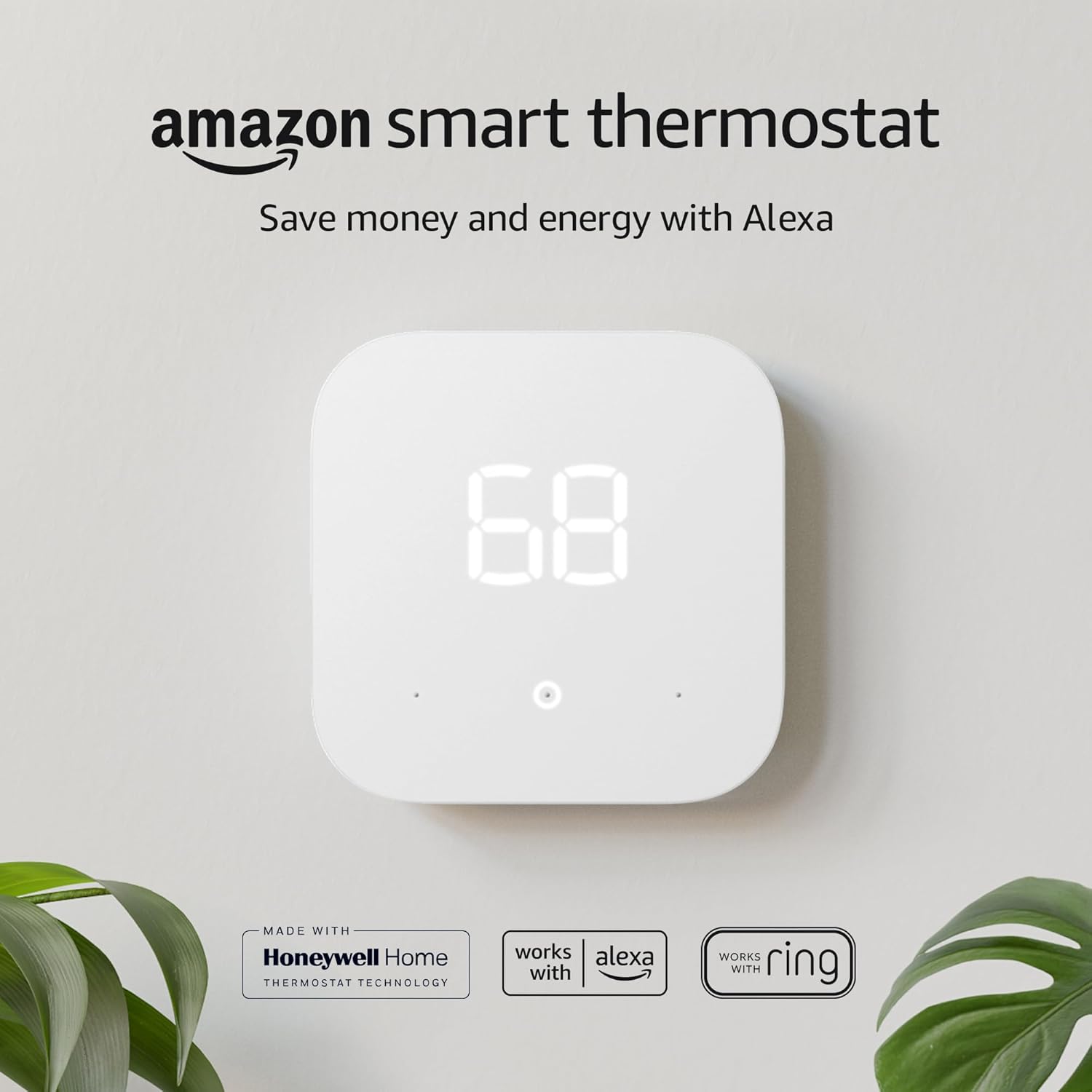
You don’t need to spend $250. Budget smart thermostats offer geofencing and scheduling for under $100, providing the same core energy-saving benefits without the bells and whistles.
Read more: Google Nest vs Amazon Smart Thermostat
Best Value for Money Option

The Ecobee Smart Thermostat Premium includes a room sensor to ensure you are only heating the rooms you use.
Check Price on AmazonExpert Tips to Maximize Savings
To truly get the 20%+ savings, follow these best practices:
- Trust the Geofencing: Enable location services on all family members’ phones so the HVAC turns down only when everyone is out.
- Adjust the Thresholds: Most smart thermostats allow you to set a “swing” or differential temperature. A wider swing means the system cycles on and off less frequently, saving energy.
- Vacation Mode: Don’t just turn it off; use the vacation setting to prevent frozen pipes without overheating the house. Uncertain about the right temp? Check our guide on what temperature to set your thermostat when on vacation in winter.
- Maintenance: A smart thermostat can’t fix a dirty filter. Ensure your system is healthy. If you are unsure if your hardware is failing, learn how to tell if your thermostat is bad.
Common Issues to Watch Out For
Even the smartest tech has hiccups. Here are a few common problems new users face that can impact efficiency:
- Battery Drainage: If your C-wire isn’t robust, you might see thermostat low battery symptoms frequently.
- False Readings: Placing a thermostat near a kitchen or direct sunlight causes “ghost readings,” making the AC run too much.
- Connectivity: If the Wi-Fi drops, you lose remote control. See why a Sensi thermostat might not be working if you encounter connection issues.
Frequently Asked Questions
Are smart thermostats worth it for small apartments?
It depends on your utility bills. In a small apartment where heating costs are low, the payback period might be longer (3-4 years). However, the convenience of remote control remains a significant benefit.
Do I need a professional to install a smart thermostat?
Most homeowners can install one in 30 minutes. However, if you lack a C-wire or have a complex multi-zone system, professional help is recommended. Check out guides like how to switch out an HZ311 for an Ecobee for DIY confidence.
Will a smart thermostat work without Wi-Fi?
Yes, it will function as a standard thermostat, maintaining the temperature. However, you will lose the “smart” money-saving features like geofencing, remote access, and weather adaptation.
Can I use a smart thermostat with battery power only?
Some models allow this, but it is not recommended for long-term use as Wi-Fi drains batteries quickly. For alternatives, look into the best battery operated thermostats.
Why is my thermostat set to heat but not turning on?
This could be a wiring issue, a safety limit switch on the furnace, or a dead battery. If you encounter this, read our troubleshooting guide: thermostat says heat on but no heat.




 Home
Home
 Info
Info
 Compare
 Reviews
 Shop
Shop