Top 5 Best Thermos Bottles for Camping Adventures
There is no luxury quite like sipping piping hot coffee while watching the sunrise over a misty campsite. We tested the best insulated bottles to see which ones survive the wild.
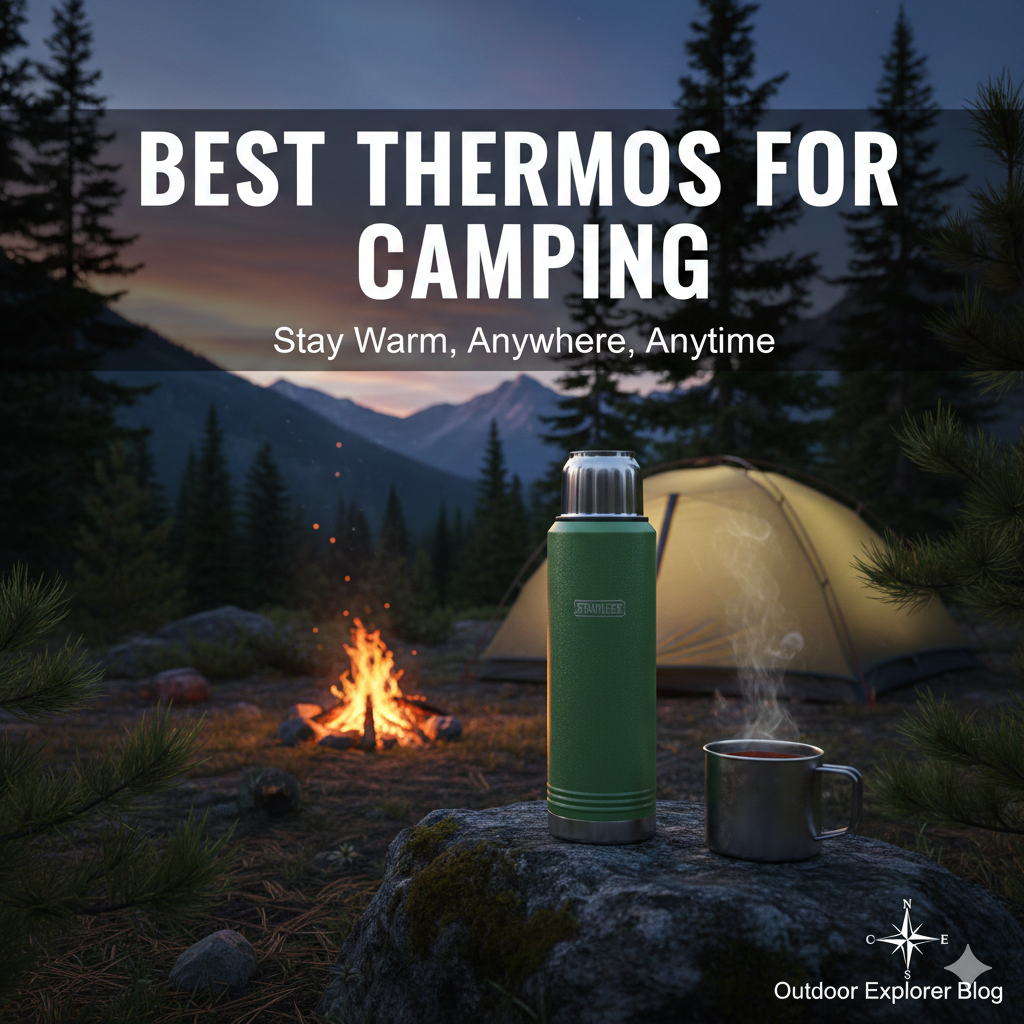
When you are miles away from the nearest convenience store, your gear is your lifeline. A reliable thermos isn’t just about comfort; it’s about morale and hydration. Whether you need ice-cold water after a grueling hike or hot soup during a chilly winter camp, the right vacuum bottle makes all the difference.
Why a Good Thermos Matters for Camping
Keeps Drinks Hot or Cold All Day (Essential Outdoors)
In the wilderness, temperature regulation is key. Drinking cold water when you are overheating, or hot tea when you are shivering, helps regulate your body temperature. This is achieved through double-wall vacuum technology. To understand the science of how this works in the wild, check out our guide on how vacuum insulation works for 24 hours.
Durable Build for Rugged Conditions
Camping gear gets abused. Your bottle will be dropped on rocks, tossed into the back of a truck, and shoved into tight backpack pockets. A dedicated camping thermos is built with thicker gauge steel and reinforced bases to withstand this punishment without losing its vacuum seal.
Leak‑Proof Design for Backpacks and Packs
The cardinal sin of any water bottle is leaking inside your pack. A wet sleeping bag can ruin a trip or even be dangerous in cold weather. The best camping thermoses feature locking lids and triple-layer gaskets to ensure not a single drop escapes.
5 Best Thermos Picks for Camping Trips
1. Stanley Classic Legendary Vacuum Bottle
This is the bottle your grandfather probably used, and it hasn’t changed much for a reason. The Stanley Classic is the definition of rugged. Its hammertone green finish hides scratches, and the handle is sturdy enough to be strapped to the outside of a pack.
✅ Pros
- Incredible durability; can survive serious drops.
- Lid doubles as an insulated serving cup.
- Lifetime warranty.
❌ Cons
- Heavier than modern competitors.
- Bulky shape is hard to fit in side pockets.
2. Thermos Stainless King Vacuum Bottle
The “Stainless King” lives up to its name. It offers exceptional insulation performance at a very reasonable price point. The twist-and-pour stopper allows you to pour without removing the stopper completely, which preserves heat longer.
✅ Pros
- Twist-and-pour stopper keeps heat inside.
- Very affordable for the performance.
- Exterior stays cool to the touch with hot liquids.
❌ Cons
- The glossy finish can be slippery with gloves.
3. Zojirushi Stainless Bottle
If your priority is keeping coffee hot until the very last sip, Zojirushi is the leader. It uses a thinner vacuum gap, making the bottle lighter and slimmer, yet it often outperforms heavier bottles in heat retention tests.
✅ Pros
- Unmatched heat retention capabilities.
- Slim profile fits easily in backpack side pockets.
- One-touch flip lid is convenient on the trail.
❌ Cons
- Non-stick interior coating requires gentle cleaning.
- Less rugged feel than the Stanley.
4. Primus TrailBreak EX Vacuum Bottle
Designed specifically for expeditions, the Primus TrailBreak EX features a silicone sleeve for grip. This is a game-changer in winter camping when you are wearing gloves and handling a metal bottle would be freezing or slippery.
✅ Pros
- Silicone sleeve provides excellent grip.
- Comes with two stoppers (standard and drinking).
- Wide opening for easy filling with snow/ice.
❌ Cons
- The silicone sleeve attracts dust and dirt.
5. Klean Kanteen Insulated TKPro
For the eco-conscious camper, the TKPro is a masterpiece. It features a fully plastic-free design, using steel and silicone. It is incredibly robust and looks stunning. We previously compared its ice retention against other top brands in our Hydro Flask vs Klean Kanteen cold test.
✅ Pros
- 100% plastic-free construction.
- Integrated steel cup is double-walled (won’t burn lips).
- 360-degree pour-through design.
❌ Cons
- Heavier due to the all-steel construction.
- Cap can be tricky to thread perfectly in the dark.
What to Look for When Choosing a Camping Thermos
Insulation Performance (Hours Hot/Cold)
Look for a “thermal rating.” A good camping thermos should be rated for at least 12 hours hot and 24 hours cold. Remember that larger bottles generally hold temperature longer than smaller ones due to thermal mass.
Capacity for Your Trip Length
Are you going for a day hike or an overnight trip? A 500ml (16oz) bottle is great for a personal coffee ration, but a 1L+ (32oz+) bottle is better for sharing or for ensuring you have hot water for dehydrated meals.
Weight and Backpack Compatibility
Every ounce counts when backpacking. The Zojirushi is excellent for ultralight hikers, while the Stanley is better suited for car camping or short treks where weight isn’t the primary concern.
Lid and Drinking Features (Cup, Pour Spout)
Do you want to drink directly from the bottle or pour into a cup? In freezing weather, a pour-into-cup style is safer as drinking boiling water directly from a spout can cause burns.
How to Use a Thermos on a Camping Trip
Pre‑heat or Pre‑cool for Best Results
This is the most skipped step. If you put hot coffee into a cold steel bottle, the steel immediately absorbs the heat. Always fill with boiling water (or ice water) for 5-10 minutes before use. Read our detailed pre-treatment guide here.
Pack It Right in Your Backpack
Keep your thermos in the center of your pack close to your back. This is the most stable place for heavy items and protects the bottle from swinging into rocks if you slip.
Clean and Maintain It After Use
Camp hygiene is vital. If you used your thermos for soup, clean it as soon as possible to prevent bacteria. For robust cleaning tips that apply to heavy-duty gear, see our article on construction site thermos maintenance.
Frequently Asked Questions
How Long Will a Thermos Keep Drinks Hot During Camping?
A high-quality camping thermos can keep drinks hot for 12 to 24 hours, even in freezing conditions, provided the lid is kept closed.
Can I Put Soup or Food in a Camping Thermos?
Yes, but it is best to use a wide-mouth thermos or food jar for chunky soups to make pouring and cleaning easier.
Are Larger Thermoses Better for Outdoor Trips?
Larger thermoses (1L+) generally retain heat longer due to thermal mass, but they are heavier to carry. Choose based on your trip duration.
How Do I Clean a Thermos After Camping Use?
Rinse immediately if possible. At home, use warm soapy water and a bottle brush. For stubborn odors, use a baking soda soak.
Will a thermos attract bears?
While the stainless steel masks smells well, if you spill food on the outside or the seal is dirty, it can attract wildlife. Always store it with your food cache.
Can I freeze my thermos before a trip?
Do not put a sealed thermos in the freezer; the expanding liquid can damage the vacuum seal. Instead, fill it with ice water to pre-chill it.
Is glass or stainless steel better for camping?
Stainless steel is far superior for camping. Glass liners are fragile and can shatter if your backpack is dropped.
Does altitude affect my thermos?
Pressure changes can make lids tighter or cause a slight hiss when opening, but vacuum insulation works perfectly regardless of altitude.
Can I put carbonated drinks in a camping thermos?
It is generally not recommended as the pressure build-up from agitation during hiking can cause leaks or the lid to pop off forcefully.
Why does my coffee taste metallic?
High-quality 18/8 stainless steel should not impart flavor. If it tastes metallic, the bottle may be low quality or needs a deep cleaning with vinegar.





 Home
Home
 Info
Info
 Compare
 Reviews
 Shop
Shop