Manual Plan vs. AI Adaptation
Mastering your thermostat’s most powerful automation features.
What Is Thermostat “Schedule” vs “Learning”? Key Differences Explained
When you install a modern smart thermostat, you are usually presented with two choices for automation: Schedule or Learning. While they both aim to save you money, they go about it in fundamentally different ways. One follows your orders, while the other watches your every move.
What Does “Schedule” Mean on a Thermostat
Schedule mode is the traditional way of automating home comfort. It is a “time-based” system where you dictate exactly what temperature you want at specific times of the day.
Manual Temperature Programming Explained
In Schedule mode, you typically divide your day into blocks: Wake, Away, Home, and Sleep. You enter these setpoints into the app or on the device itself. For example, you might set the heat to 68°F at 7:00 AM and drop it to 62°F at 9:00 AM when you leave for work.
How Thermostat Schedules Work Day-to-Day
Once set, the thermostat is a strict follower of the clock. It doesn’t care if you are home sick on a Tuesday or if you stayed late at the office; it will change the temperature based on the time you programmed. This predictability is why many users prefer programmable vs smart learning efficiency depending on their lifestyle.
Who Should Use Schedule Mode
Schedule mode is best for people with consistent routines, such as remote workers who are home all day or families with a set school and work commute.
What Does “Learning” Mean on a Thermostat
Learning mode is the “AI” or algorithmic approach to climate control. Popularized by the Nest Learning Thermostat, this mode attempts to build a schedule for you by observing your behavior.
How Learning Thermostats Adapt to Your Habits
During the first week of use, a learning thermostat records every time you turn the dial up or down. If you consistently turn the heat up to 70°F when you wake up at 6:30 AM, the thermostat eventually “learns” this and begins doing it automatically.
Sensors, Usage Patterns, and AI Automation
Learning thermostats use a combination of motion sensors and geofencing runtime data to detect when you are home. If the sensors don’t see movement for several hours, the “Auto-Away” feature kicks in to save energy, regardless of what the schedule says.
Thermostat Schedule vs Learning — Key Differences
| Feature | Schedule Mode | Learning Mode |
|---|---|---|
| Control | User-defined (Manual) | AI-defined (Automatic) |
| Adaptability | Low (Rigid clock-based) | High (Adapts to habits) |
| Effort | Initial setup required | Zero setup; “watches” you |
| Best For | Fixed Routines | Spontaneous Lifestyles |
Can Schedule and Learning Work Together?
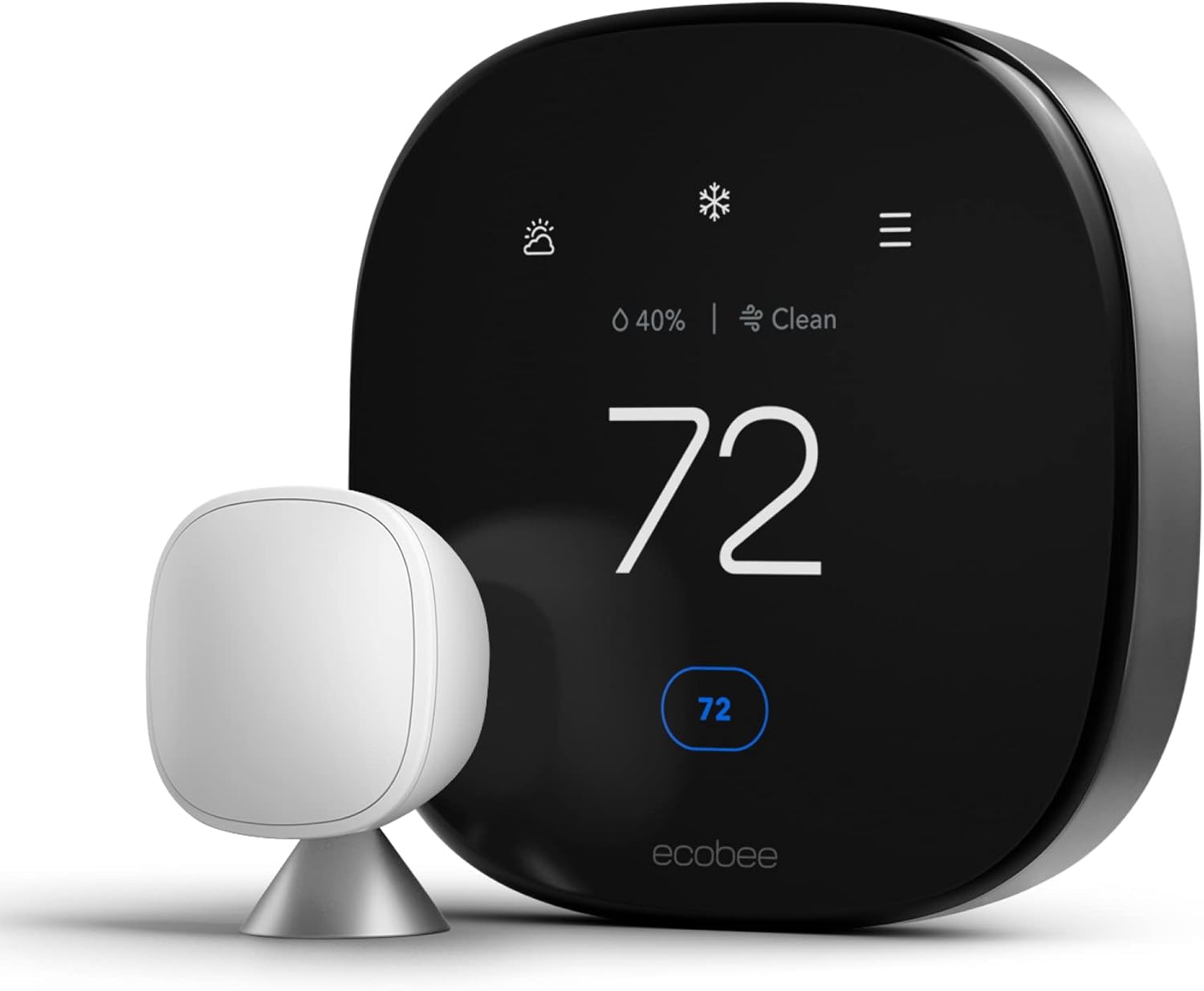
Modern devices like the Nest or Ecobee allow for a hybrid approach. You can set a baseline schedule and then allow “Learning” or “AI Optimization” to tweak it for efficiency.
How Smart Thermostats Combine Both Modes
For instance, you can program a basic schedule but enable remote comfort sensors to help the learning algorithm decide which room should be the priority. This prevents the learning mode from making bad decisions based on a single sensor in a drafty hallway.
How to Choose Between Schedule and Learning
Best Option for Fixed Daily Routines
If you enjoy knowing exactly what your HVAC system is doing at any given minute, Schedule is your best bet. It eliminates the “guessing game” of AI and ensures your home is exactly the temperature you expect when you walk in the door.
Best Option for Changing or Irregular Schedules
If you are a freelancer, a traveler, or someone whose “home time” varies day-to-day, Learning is superior. It ensures you aren’t heating an empty house just because a clock says so. However, if your AI starts acting erratically, you may need to refer to our 10-minute faulty thermostat checklist to ensure it’s a software habit and not a sensor failure.
Frequently Asked Questions
Does Learning Mode Override My Schedule?
Yes. Typically, if Learning mode is enabled, your manual adjustments will eventually rewrite the existing schedule. If you want a permanent schedule that never changes, you must turn Learning/Auto-Schedule OFF.
Can I Turn Off Learning and Use Only a Schedule?
Absolutely. Most smart thermostats have a toggle in the settings (e.g., “Auto-Schedule” in Nest) that allows you to revert to a standard 7-day programmable mode.
Is Learning Mode Worth It for Energy Savings?
For most users, yes. Learning mode is generally 10-15% more efficient than a manual schedule because it reacts to real-world presence rather than theoretical plans.
Which Is Better for Nest or Ecobee?
Nest is famous for its Learning mode, making it better for those who want a “hands-off” experience. Ecobee focuses more on a strong Schedule mode combined with remote sensors, making it better for those who want precise control over specific rooms.





 Home
Home
 Info
Info
 Compare
 Reviews
 Shop
Shop