Heating? Cooling? Both?
Solve the mystery of your thermostat’s erratic mode switching.
Why Your Thermostat Keeps Switching from Heat to Cool — Causes & Fixes
Is your furnace running in the middle of a hot afternoon, or is the AC kicking on during a chilly night? When a thermostat switches between heat and cool erratically, it doesn’t just waste energy—it puts immense strain on your HVAC compressor and burners through constant short-cycling.
Understanding Thermostat Mode Switching
Most thermostats are designed to be “set and forget.” However, the internal logic that tells the system to switch from one mode to the other is more complex than a simple thermometer reading.
How HVAC Systems Change Between Heating and Cooling
When you select a mode, the thermostat closes a specific circuit. The W wire typically controls heating, while the Y wire controls cooling. Erratically switching modes often means the thermostat is accidentally energizing both, or a software logic error is overriding your manual selection.
What “Auto Changeover” Means on a Thermostat
Auto Changeover (or “Auto Mode”) allows the thermostat to switch between heating and cooling automatically based on a set temperature range. If your “cooling” setpoint is too close to your “heating” setpoint (the “deadband”), the system may constantly flip-flop as the room temperature fluctuates by just one degree.
Common Reasons Your Thermostat Switches Between Heat and Cool
Incorrect Thermostat Settings or Mode Configuration
If your thermostat is set to “Auto,” it will hunt for a temperature between your two setpoints. If your home has high solar gain (sunlight through windows) during the day and drops quickly at night, the thermostat may cycle between AC and Heat multiple times in 24 hours.
Malfunctioning or Incompatible Thermostat
Not all thermostats are compatible with all HVAC types. For example, using a standard thermostat on a 2-stage heat pump without proper configuration can cause the reversing valve to chatter or switch modes unexpectedly. You can use our 10-minute faulty thermostat checklist to see if your hardware is the problem.
Faulty Thermostat Wiring or Loose Connections
A “short” between the Y and W wires can cause the system to receive conflicting signals. If the wires are old or were poorly installed, they may touch behind the wall plate. If you suspect this, you may need to learn how to inspect or extend thermostat wires to ensure they are properly separated.
Heat Pump Reversing Valve Issues
In heat pump systems, a “reversing valve” determines whether the refrigerant flows to provide heat or cooling. If the thermostat loses power to the O/B terminal, the valve may default to its “home” position (usually cooling), causing an unexpected mode change while the thermostat still says “Heat.”
Smart Thermostat Schedules, Automations, or App Overrides
Smart homes can be too smart. A routine in Google Home, Alexa, or IFTTT might be overriding your thermostat based on your phone’s location or a different sensor in another room. This is especially common if you use remote sensors for comfort, as the thermostat may switch to AC because a bedroom is hot while the hallway is cold.
Signs Your Thermostat Is Switching Modes Erratically
- Ghost Switching: You wake up to a different mode than the one you set before bed.
- Short Cycling: The AC runs for 2 minutes, stops, and the Heat starts 5 minutes later.
- Display Conflicts: The screen says “Heating” but the outdoor AC compressor is running.
How to Troubleshoot Thermostat Mode Switching
Verify Auto Changeover Settings
Disable “Auto” mode and switch to a manual “Heat” or “Cool” setting. If the problem stops, the issue was simply a narrow deadband or a confusing schedule. Increase the gap between your heat and cool temperatures to at least 3-5 degrees.
Inspect Wiring and Connections
Pop the thermostat off the wall. Ensure no copper from the W wire is touching the Y wire. If you recently had an issue where the thermostat clicks but nothing happens, check for a loose C-wire, which can cause the logic board to reboot and default to random modes.
Check for Smart App Overrides
Open your Google Home, Alexa, or proprietary app (Nest/Ecobee). Look for “Routines” or “Geofencing” that might be changing the mode based on your GPS location. For Sensi users, ensure you haven’t had a reset failure that left the device in an unconfigured state.
When to Call an HVAC Technician
If you have checked the settings and wiring but the system still flip-flops, the issue is likely mechanical or deep in the control board.
Signs You Need a Pro:
- The reversing valve makes a loud “whoosh” or clanging sound when the mode changes.
- The outdoor unit is covered in ice while in “Cool” mode.
- The furnace control board has a flashing LED code indicating a relay failure.
Frequently Asked Questions
Can thermostat schedules cause unwanted heat/cool switching?
Yes. If you have a morning schedule set to 72°F Heat and an afternoon schedule set to 68°F Cool, a smart thermostat will force a mode change to meet those targets.
Does thermostat placement affect auto mode switching?
Absolutely. If a thermostat is in a sunny spot, it may think the house is 80°F (triggering AC) even if the rest of the house is 65°F (which would normally trigger Heat).
Is a thermostat upgrade worth it to fix auto mode issues?
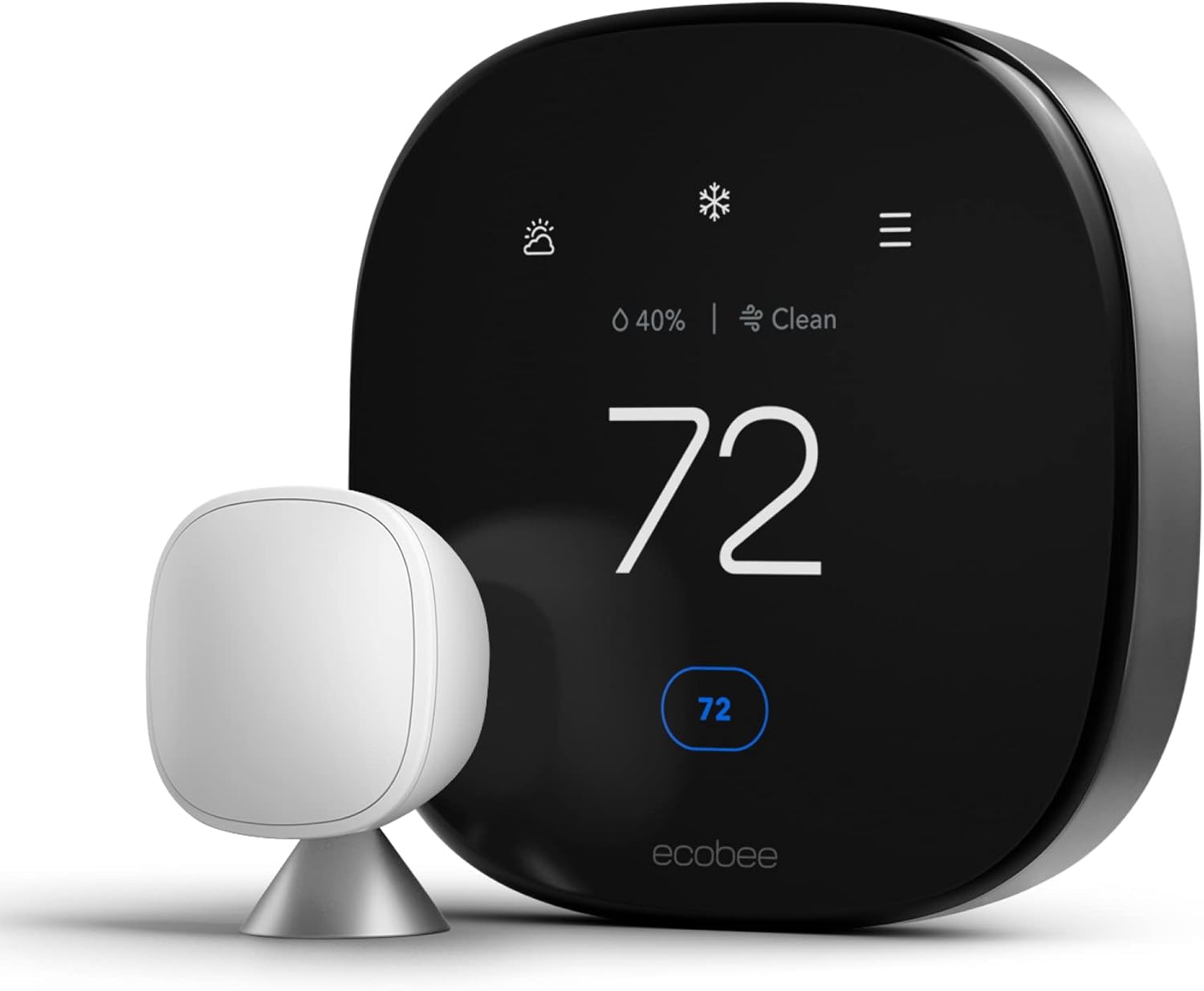
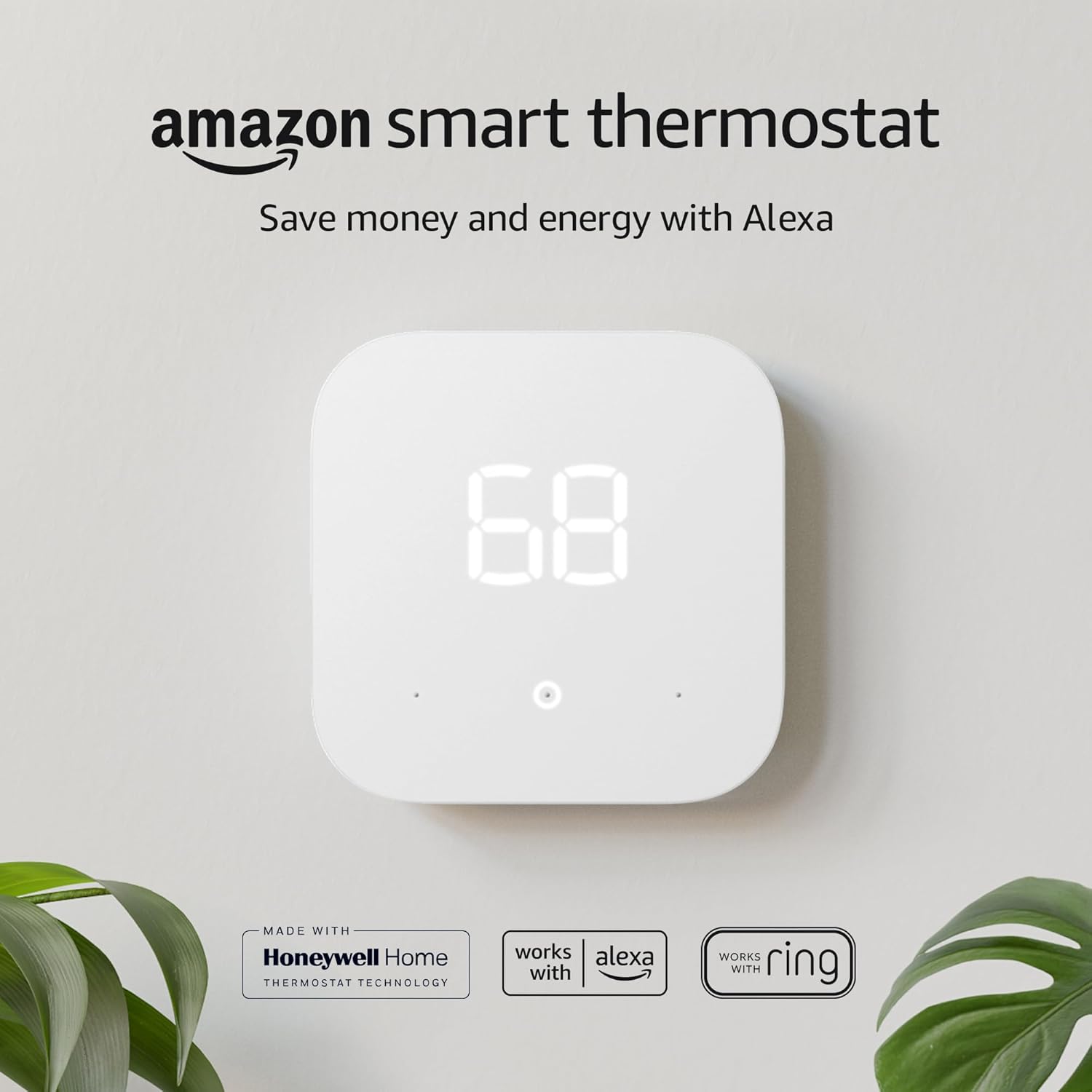
If your current thermostat doesn’t allow you to adjust the “deadband” (the buffer between heat and cool), upgrading to a more advanced model is highly recommended to prevent system wear.





 Home
Home
 Info
Info
 Compare
 Reviews
 Shop
Shop