Thermostat Charging Guide
Fixing Low Power, Blank Screens, and Battery Failures
Why Your Thermostat Isn’t Charging — Causes, Troubleshooting & Fixes
Modern smart thermostats are powerful computers on your wall, but they can’t function without a steady stream of electricity. If your device isn’t charging, it will eventually lose its Wi-Fi connection, fail to trigger your HVAC system, or go completely blank.
How Thermostat Power & Charging Works
Unlike a TV that is always plugged into a wall outlet, a thermostat relies on low-voltage electricity (typically 24V AC) provided by your furnace or air handler.
Hardwired Power vs Battery-Powered Thermostats
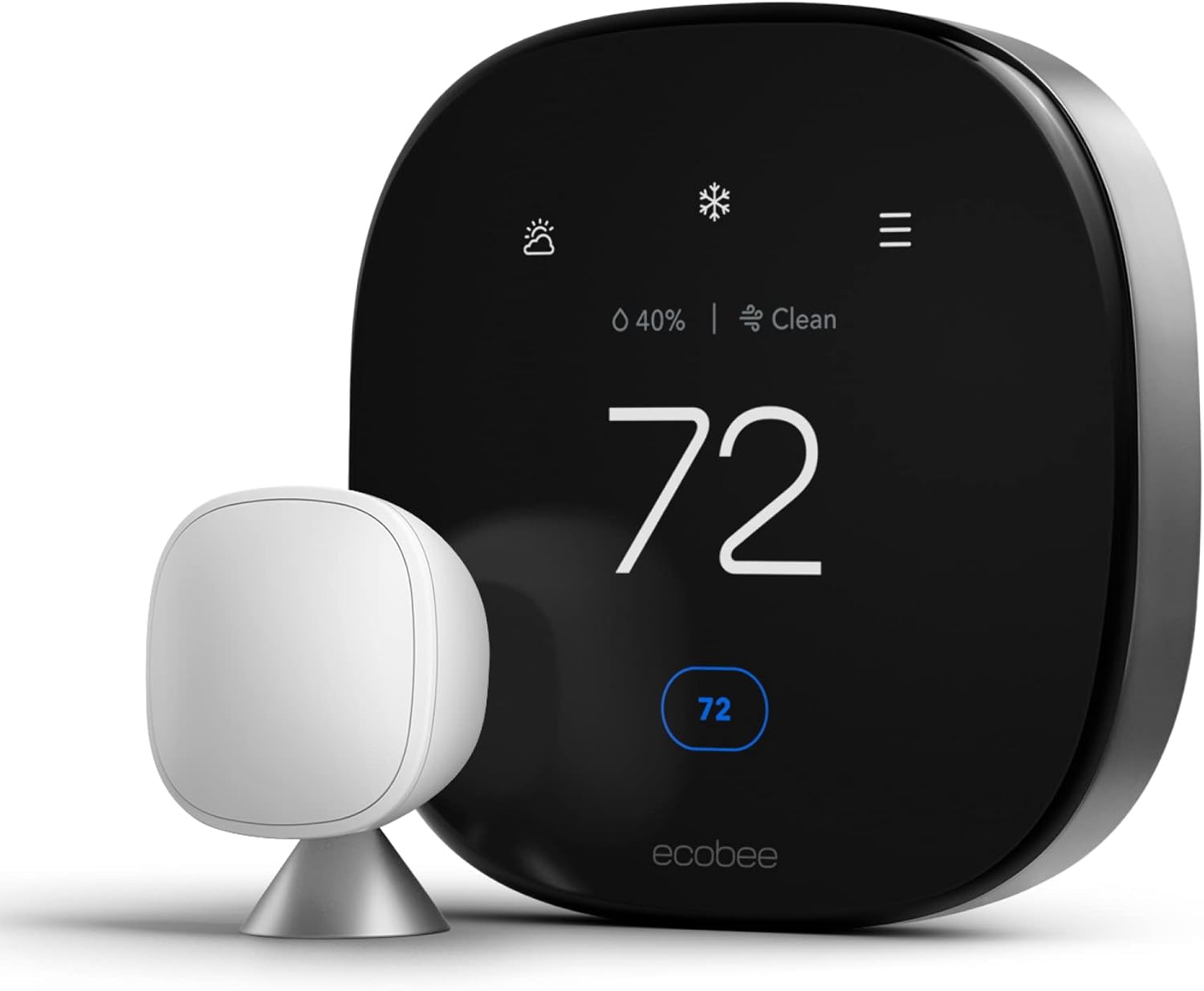
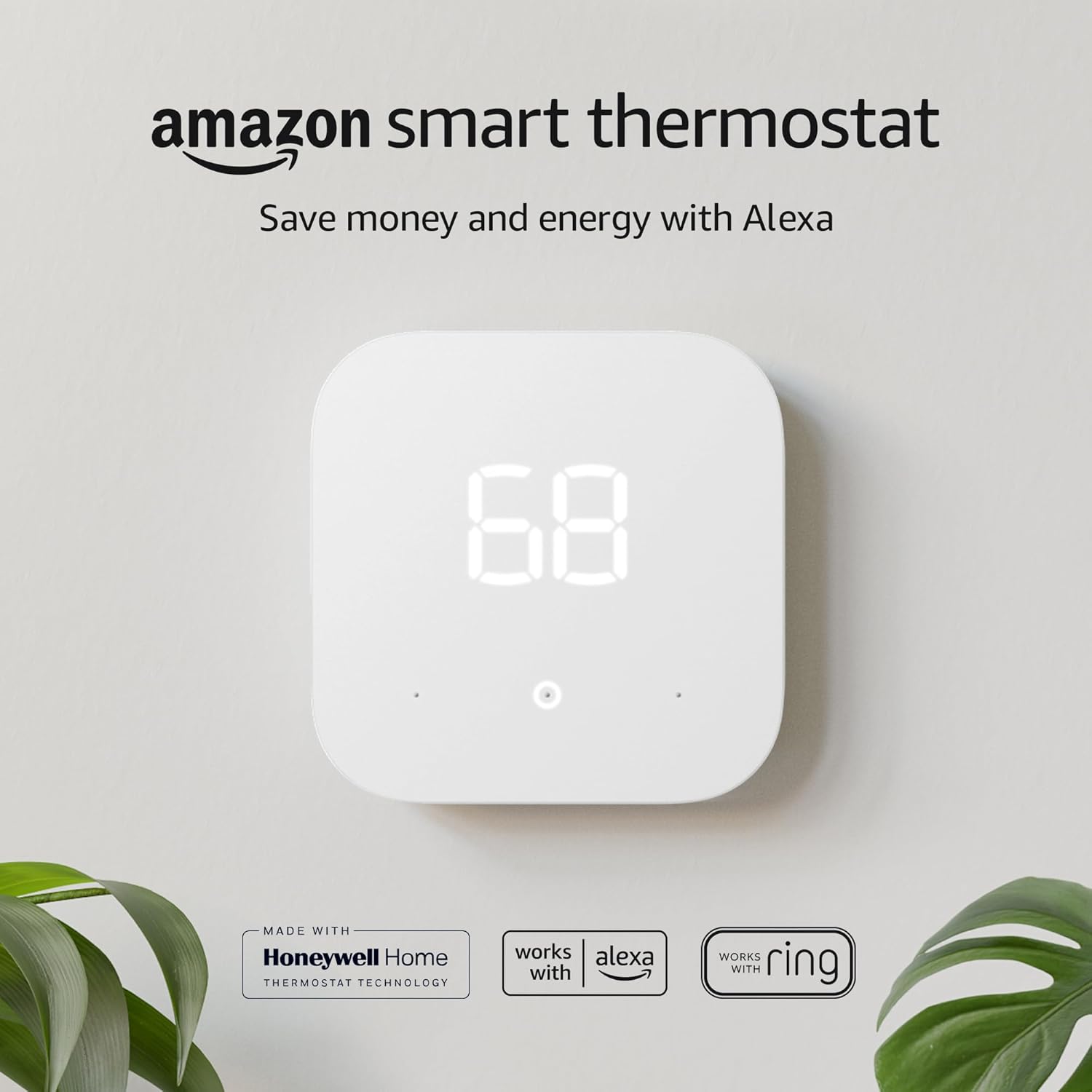
Standard programmable thermostats often run purely on AA or AAA batteries. However, smart thermostats like Nest or Ecobee are “hardwired” to your HVAC system. They use an internal rechargeable battery to maintain settings during power blips, but they require constant power from the system to stay alive. If you are using a model without a C-wire, you may be relying on battery-powered smart thermostat technology, which has different maintenance needs.
The Role of the Common Wire (C-Wire) in Charging
The C-wire is the “return path” for electricity. While the R-wire brings power in, the C-wire completes the circuit, allowing a continuous flow that charges the thermostat’s internal battery without turning on your furnace.
Common Reasons Your Thermostat Is Not Charging
Missing or Improper C-Wire Connection
Many charging issues stem from “power stealing.” This happens when a thermostat tries to pull power from the heating or cooling wires when the C-wire is missing. This often fails during shoulder seasons when the HVAC system isn’t running frequently.
Insufficient Power from Your HVAC System
Your furnace transformer might be undersized. If your system is old, the transformer may struggle to provide the 24V required to power the control board and charge a modern smart thermostat simultaneously.
Loose or Faulty Wiring Between Thermostat & Furnace
A single loose wire at the backplate or the furnace control board can interrupt the charging cycle. If you have recently moved or adjusted your device, you may need to know how to move or splice thermostat wires to ensure a solid connection.
Low or Faulty Internal Battery
Rechargeable batteries have a lifespan. After 3–5 years, the internal lithium-ion battery in a Nest or Ecobee may no longer hold a charge, regardless of how much power the system provides.
Faulty Transformer or Low Voltage Supply
If the transformer is failing, it might output only 18V or 20V. While this might be enough for a basic thermostat, it isn’t enough to charge a smart device. You can verify this by using our 10-minute faulty thermostat checklist.
Signs Your Thermostat Is Not Charging
- Low Battery Alerts: A persistent “Low Battery” message even after the HVAC has been running.
- Blinking Battery Icon: Often red or yellow on the top corner of the screen.
- Blank/Dim Screen: The screen only lights up when you touch it, or stays dark entirely.
- Frequent Reboots: The device restarts every time the furnace kicks on.
Step-by-Step Troubleshooting
Check for Proper C-Wire Connection
Remove the faceplate and look for a wire connected to the ‘C’ terminal. Ensure it is also connected to the ‘C’ terminal on your furnace control board.
Test Voltage with a Multimeter
Set your multimeter to AC Voltage. Touch the probes to the R and C wires. You should see a reading between 24V and 28V. If it’s below 22V, your transformer is the issue.
Charge via USB (The “Jumpstart”)
Most Nest and Ecobee models have a micro-USB or USB-C port on the back. Plug it into a wall charger for 2 hours. If it fires up, the battery is fine, but the wall wiring is the problem.
When to Call an HVAC Professional
Persistent Low Power After Fixes
If you have a C-wire and 24V at the wall, but the device still won’t charge, the internal charging circuit or the furnace control board may be defective.
Frequently Asked Questions
Can a Thermostat Work Without a C-Wire?
Some models (like the Nest Learning Thermostat) claim to work without one by “power pulsing,” but this often causes charging failures in the winter. We always recommend a C-wire or a C-wire adapter.
How Long Should a Thermostat Battery Last?
Internal rechargeable batteries typically last 5–7 years. Standard alkaline batteries in non-smart models should be replaced yearly.
Why Does My Thermostat Lose Charge When Furnace Runs?
This is often due to a “blown fuse” on the furnace board or a safety switch tripping that cuts power to the R-wire while the system is under load.
Can Software Issues Affect Charging?
Yes. Sometimes a stuck firmware update causes the Wi-Fi chip to run at 100%, draining the battery faster than the system can charge it. A factory reset often fixes this.





 Home
Home
 Info
Info
 Compare
 Reviews
 Shop
Shop